
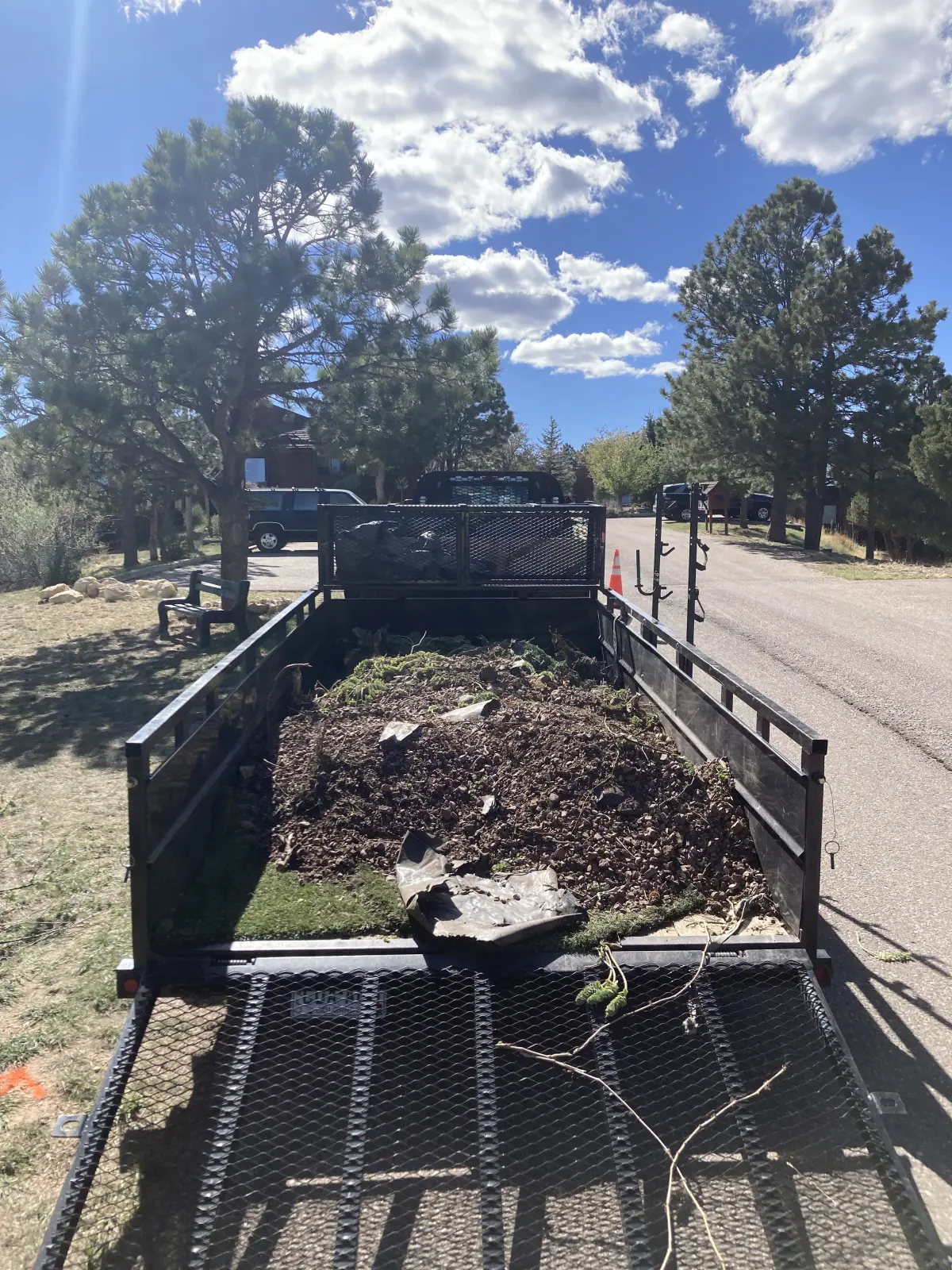
The best landscape maintenance plan is not simply the one with the most tasks or the lowest price. It is the one that fits the property, the season, and the condition you expect between visits. A Denver Metro yard may include irrigated turf, sunny and shaded planting beds, decorative rock, mature shrubs, narrow gates, slopes, and wind-exposed areas. Each can change the work required.
Before booking, use the questions below to distinguish routine lawn care from whole-property maintenance and to compare proposals on the same terms. Homeowners looking for local coverage can also review JLS landscape maintenance in Denver Metro.
Do You Need Recurring Maintenance or a One-Time Cleanup?
Start by naming the result you need. Recurring maintenance is intended to manage growth and appearance over time. A one-time cleanup addresses a defined condition, such as accumulated leaves, overgrown beds, storm debris, or a property that has gone without regular attention. One does not automatically include the other.
Ask whether the property needs initial corrective work before recurring visits can begin. If so, the proposal should separate that work from the ongoing plan. This makes it easier to see what the first visit accomplishes and what later visits will maintain.
Which Areas and Tasks Are Actually Included?
“Landscape maintenance” can describe very different scopes. Confirm whether the proposal covers front, back, and side yards; turf; planting beds; rock areas; walks; entry edges; and any shared or HOA-facing frontage. Then ask which tasks apply to each area.
A recurring plan may include scheduled mowing and edging, turf and bed care, weed management, pruning, cleanup, and landscape observations. Services such as aeration, fertilization, and mulch or rock work may follow their own timing and approval. The written scope should say what is included rather than leaving either side to assume.
How Often Will the Property Be Visited?
Frequency should follow the amount of growth, the mix of maintained areas, and the appearance expected between visits. Turf can require a regular active-season rhythm while pruning, bed detail, and seasonal cleanup happen on different schedules. A single visit frequency does not mean every task is performed every time.
Ask how the plan changes as growth slows, leaves fall, or weather interrupts work. Also clarify how schedule changes are communicated. That matters across the Denver Metro service area, where conditions can vary from one property and week to the next.
How Are Irrigation Concerns Handled?
Maintenance crews can often see symptoms that deserve attention: persistent dry spots, overspray, runoff, saturated soil, or a visibly damaged sprinkler head. Observation is not the same as diagnosis or repair, so ask what the crew reports and what requires a separate appointment.
Clarify who evaluates controller issues, valves, line breaks, coverage problems, and other system concerns. JLS offers irrigation service and repair as well as landscape maintenance, giving homeowners a direct path to discuss problems affecting turf and planting beds.
What Changes With the Season?
A useful maintenance plan should explain seasonal priorities without promising the same checklist year-round. Spring can bring cleanup, turf recovery, bed preparation, irrigation activation, aeration, and fertilization. Summer attention may center on mowing, edging, weeds, irrigation performance, and signs of heat stress. Fall shifts toward leaves, cleanup, final turf care, and irrigation winterization.
Ask which seasonal services are included, which are optional, and when decisions need to be made. The answer should be specific enough to help you plan while leaving room for actual property and weather conditions.
What Property Details Affect the Estimate?
Two similarly sized yards can require different equipment, access, and labor. Pricing may reflect the maintained area, turf-to-bed ratio, slopes, gates, parking, pets, plant maturity, debris volume, existing condition, visit frequency, and irrigation concerns. HOA requirements or limited service windows can also shape the schedule.
Share those details before the estimate. Photos of narrow access, overgrown areas, dry spots, drainage paths, or damaged sprinklers can help identify what needs closer review, but a property visit may still be necessary before a final scope is defined.
What Happens When Extra Work Is Found?
Ask how recommendations are documented and approved. The agreement should make clear whether crews can complete small adjustments during a normal visit, whether added work requires written approval, and who receives updates. This is especially important for irrigation repairs, major pruning, mulch replacement, storm cleanup, or restoration work outside recurring maintenance.
Before signing, also review start timing, billing cadence, cancellation terms, access instructions, pet or gate requirements, and the contact method for service questions. These details reduce surprises after work begins.
A Short Booking Checklist
- Define whether you need recurring care, a one-time cleanup, or both.
- List every turf, bed, rock, and hardscape area you want covered.
- Confirm visit frequency and how seasonal tasks are scheduled.
- Separate included work from services that need additional approval.
- Ask how irrigation symptoms and other property concerns are reported.
- Share access, slope, HOA, pet, timing, and existing-condition details.
- Review communication, billing, change, and cancellation terms.
Frequently Asked Questions
How often should a Denver Metro landscape be maintained?
The right visit schedule depends on the amount of turf, planting beds, weeds, leaves, irrigation needs, and the appearance you want between visits. Ask for a schedule tied to the property and season instead of assuming every task happens at the same frequency.
What is usually separate from recurring landscape maintenance?
Major pruning, mulch or rock installation, aeration, fertilization, irrigation diagnostics and repair, storm cleanup, and large restoration work may be separate from recurring visits. The written proposal should identify included tasks, seasonal services, and separately approved work.
Can a landscape maintenance crew repair sprinklers during a normal visit?
Do not assume sprinkler repair is included. Ask whether the crew reports visible leaks, broken heads, overspray, or dry zones and whether a separate irrigation appointment and approval are needed for diagnostics or repairs.
What affects the price of landscape maintenance in Denver Metro?
Pricing can reflect maintained area, turf and bed mix, slopes, gates, equipment access, plant maturity, existing condition, debris volume, visit frequency, seasonal tasks, and irrigation concerns. A property review helps define the actual scope before pricing.
What should homeowners ask before booking landscape maintenance?
Ask which areas and tasks are included, how often visits occur, how seasonal work is scheduled, how concerns are reported, how irrigation issues are handled, what requires separate approval, and what changes or cancellations require.
Discuss Your Denver Metro Property With JLS
JLS Landscape & Sprinkler provides landscape maintenance across Denver Metro and Douglas County, including Castle Rock, Highlands Ranch, Parker, and surrounding service areas. To discuss your property, timing, and maintenance priorities, visit the contact page or call 303-791-9121.