Recover and restart
Clear winter debris, assess turf and beds, coordinate irrigation activation, and identify pruning, aeration, or mulch needs before growth accelerates.

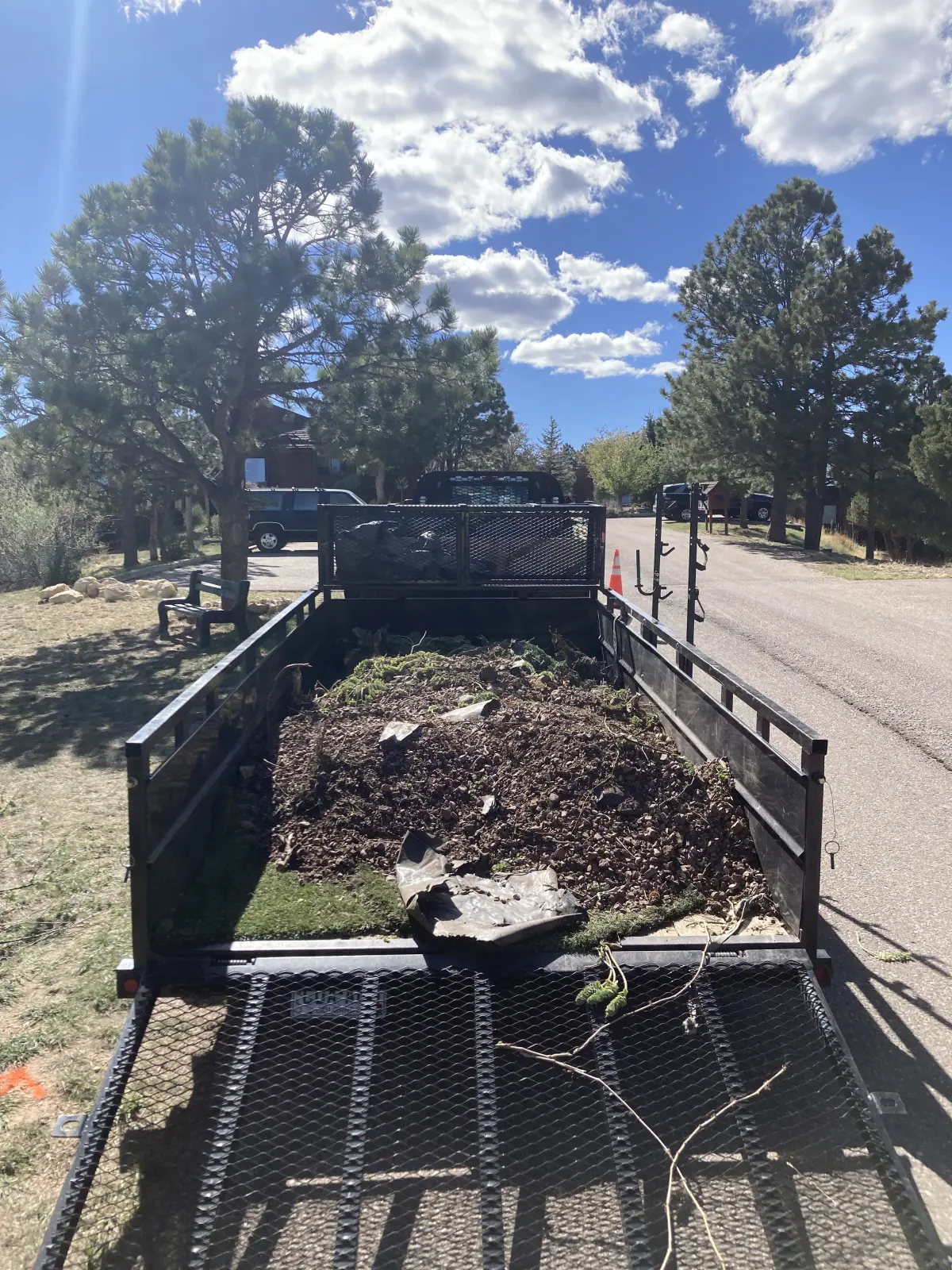
Recurring care for turf, planting beds, irrigation observations, drainage edges, and seasonal cleanup—from neighborhood lawns to HOA grounds and commercial sites.
A shaded Highlands Ranch lawn, a wind-exposed Castle Pines slope, a Parker corner lot, and a Sedalia acreage edge do not need the same maintenance rhythm. JLS reviews exposure, grade, turf and bed condition, irrigation coverage, access, and the areas that carry the property's appearance before setting visit priorities.
That local review helps match recurring work with timely services such as irrigation repair, aeration, mulch or rock refreshes, fall cleanup, and snow planning.
JLS combines recurring care with seasonal work based on the landscape, traffic, visibility, and water needs at each property.
Detailed mowing and edging, bed cleanup, shrub observations, gate notes, and seasonal timing for a consistently cared-for landscape.
Predictable common-area routes, entry standards, drainage awareness, irrigation notes, and communication around high-visibility spaces.
Clean frontages, parking-island care, controlled overspray, safe walk edges, and maintenance coordinated around tenants and deliveries.
Practical attention to exposed turf, slopes, windblown debris, native transitions, access limitations, and snow-sensitive areas.
JLS Landscape & Sprinkler has served Colorado properties since 1975. The company began with residential landscaping and irrigation and grew into a year-round team for landscape maintenance, irrigation service, and snow management. Being based in Sedalia keeps the crew connected to the same wind, soil, water, and seasonal shifts its Douglas County customers manage.
That experience is valuable when a site needs more than basic lawn service. A recurring visit can include turf and edge care, bed detailing, plant observations, visible sprinkler notes, and a clear handoff when repair, aeration, fertilization, mulch, rock, cleanup, or winter preparation is due.
Service is available in Castle Rock, Highlands Ranch, Parker, Lone Tree, Castle Pines, Sedalia, and Larkspur. Properties north of the county can also review Denver Metro landscape maintenance.
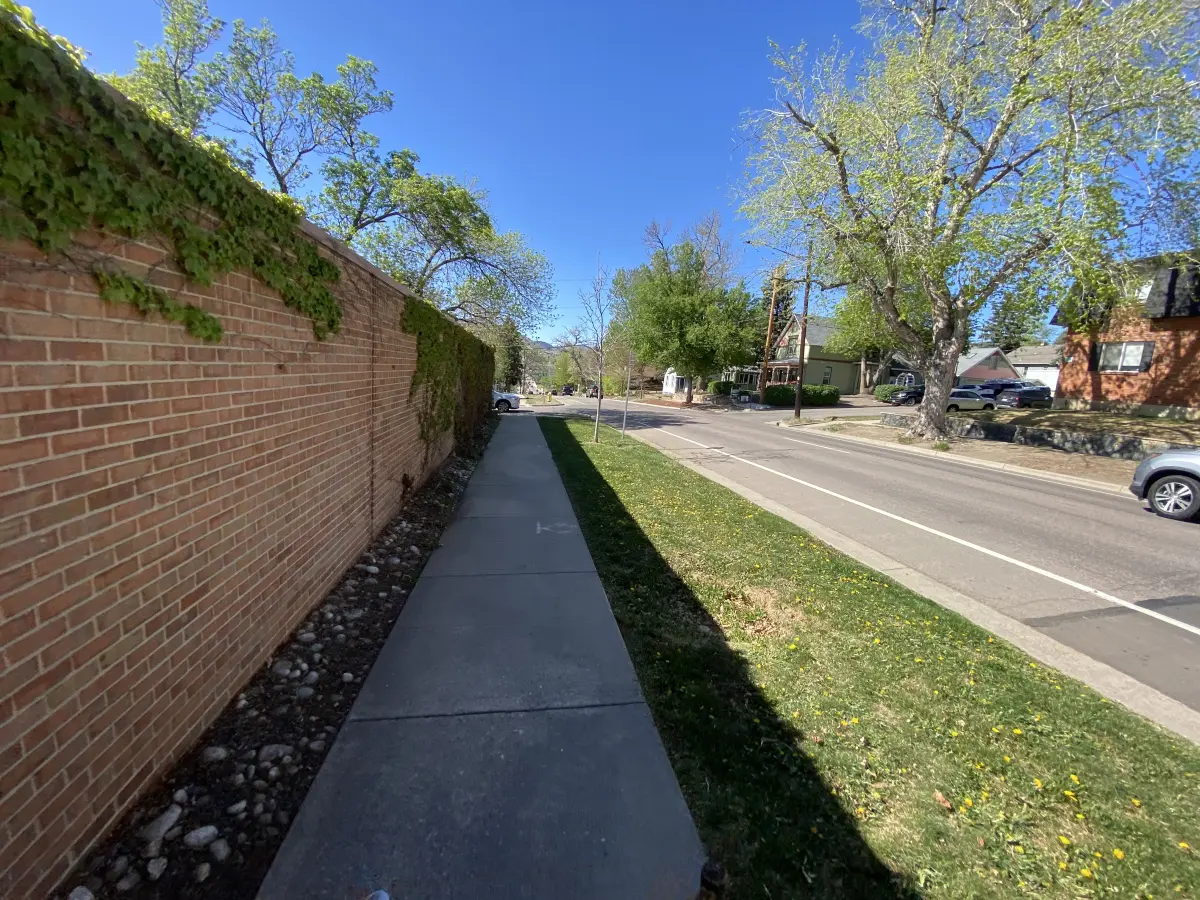
Douglas County maintenance changes with active growth, irrigation demand, leaf drop, freezes, and snow access. A useful annual plan separates recurring detail work from the larger seasonal tasks that need their own timing.
Clear winter debris, assess turf and beds, coordinate irrigation activation, and identify pruning, aeration, or mulch needs before growth accelerates.
Maintain mowing and edging rhythm while watching for dry areas, overspray, weed pressure, damaged heads, and stress near pavement or exposed slopes.
Manage leaves and bed debris, schedule final turf care, coordinate winterization, and document turf edges or irrigation boxes near snow routes.
Keep snow-service access clear, note damaged edges after storms, and account for exposed trees, shrubs, and beds during extended dry periods.
Request a property walkthrough to separate weekly priorities from the work that belongs on the spring, fall, or winter calendar.
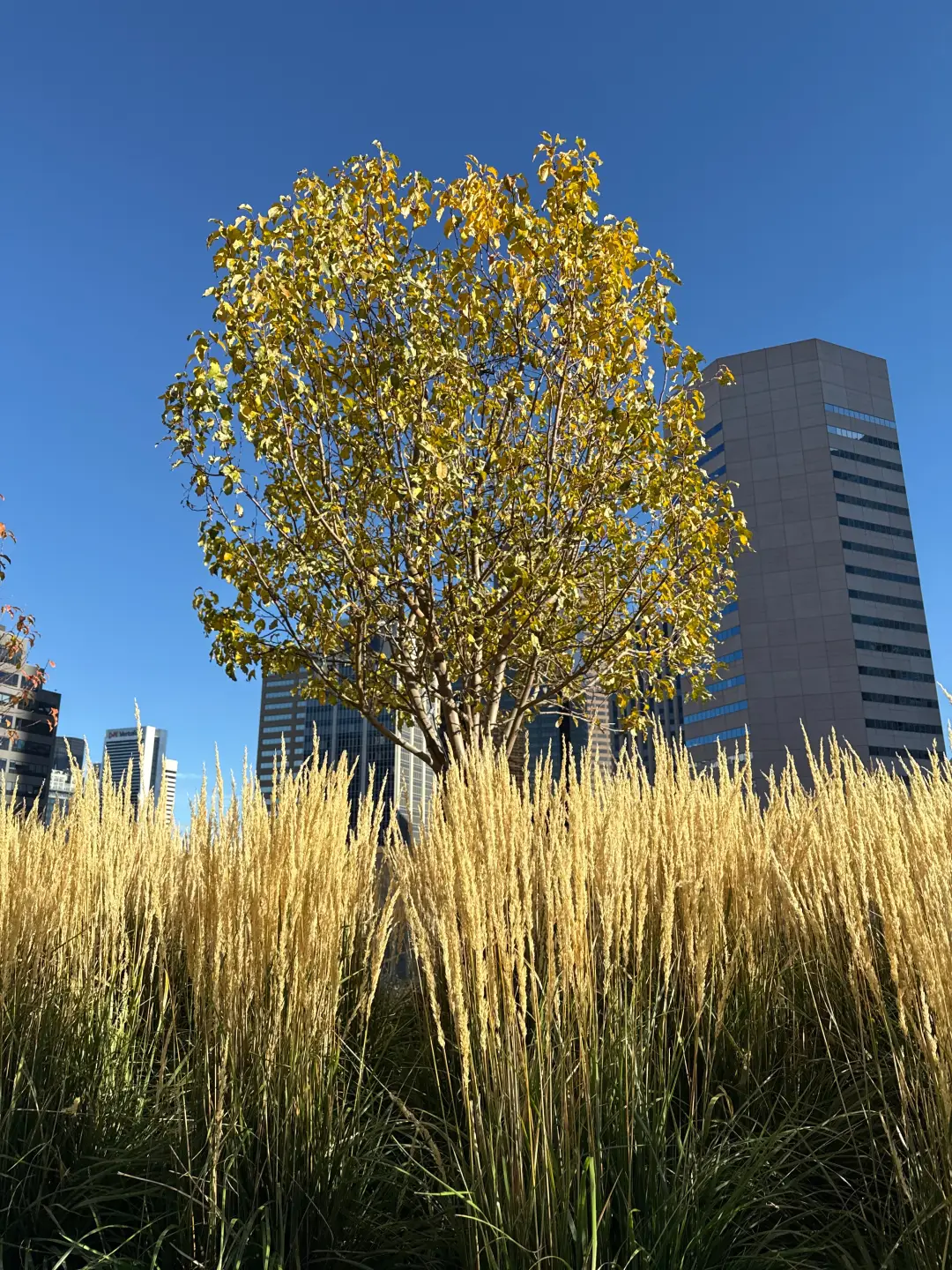
Water problems do not always appear as one obvious leak. A dry strip may come from poor head coverage, while a saturated low spot can point to overspray, grade, or drainage. On sloped properties, runoff can move mulch, cut channels through beds, expose roots, and carry landscape material toward walks or storm drains.
Douglas County's stormwater program emphasizes keeping pollutants and sediment out of local waterways. For routine landscape care, that makes practical details important: direct spray away from pavement, keep clippings and loose material out of drainage paths, watch eroding bed edges, and address recurring ponding instead of treating it as a mowing inconvenience.
JLS can note visible irrigation and drainage warning signs during maintenance and coordinate sprinkler repairs when needed. Larger grading or drainage concerns should be evaluated separately from the recurring maintenance scope.
A clear Douglas County maintenance plan identifies what happens on each recurring visit, what is scheduled for a specific season, and what needs separate review before work begins. That distinction matters for homeowners, HOA boards, metro districts, and commercial managers comparing proposals or planning an annual budget.
Routine mowing, edging, bed cleanup, and site observations can stay on the service calendar. Sprinkler repairs, drainage corrections, replacement planting, mulch or rock installation, and snow services may need their own timing and approval. Agreeing on those boundaries during the property walkthrough makes it easier to respond when weather, water, or site use changes the priority.
A plan can include mowing, edging, trimming, bed cleanup, weed observations, pruning notes, turf health checks, seasonal color care, mulch or rock refreshes, sprinkler observations, spring cleanup, fall cleanup, winterization coordination, and snow-season planning. JLS customizes the scope around the property type, access, irrigation zones, drainage, and service frequency.
Pricing depends on the maintained turf and bed area, slopes and mowing obstacles, gates and service access, desired visit frequency, current cleanup needs, irrigation condition, property standards, and seasonal services. JLS reviews the site before recommending a scope so the proposal reflects the property rather than a countywide flat rate.
Yes. Maintenance crews can note visible sprinkler problems such as dry spots, overspray, low heads, broken heads, or suspected controller issues, then coordinate with JLS irrigation service when repair or adjustment is needed.
Yes. JLS provides landscape maintenance for Douglas County homes, HOAs, metro district properties, commercial sites, and managed common areas. The recommended scope depends on turf size, bed standards, irrigation performance, access, visibility expectations, and seasonal service needs.
Runoff, low spots, eroding edges, and overspray can affect turf health, bed stability, walkways, and storm drains. Routine maintenance can identify visible warning signs, while irrigation or drainage work should be evaluated separately when the issue extends beyond normal landscape care.
The right frequency depends on the active growing season, turf and bed areas, property use, appearance standards, irrigation performance, and seasonal cleanup needs. JLS reviews the property before setting a recurring schedule and separates routine visits from seasonal work and separately approved repairs.