Fire Mitigation Services in Colorado
Professional defensible space creation, vegetation management, and brush clearing for Colorado properties in the Wildland-Urban Interface. Protect your home, your business, and your insurance eligibility.
Why Fire Mitigation Is Critical for Colorado Properties
Homes, businesses, HOA grounds, and other managed properties can face wildfire exposure from grass, shrubs, trees, fences, decks, stored materials, and wind-carried embers. A useful mitigation plan addresses both the structure and the vegetation around it.
JLS Landscape & Sprinkler provides fire mitigation services throughout Douglas County and the Denver Metro area. Based in Sedalia, we work with homeowners, HOAs, commercial property managers, and metro districts on vegetation reduction, debris removal, and ongoing defensible-space maintenance.
Start with our Colorado fire mitigation guide for the current 0–5, 5–30, and 30–100+ foot zone framework, cost factors, funding guidance, and a maintenance checklist. When you are ready to define the work for your site, call 303-791-9121 or request an assessment.
Colorado's Three Defensible Space Zones
The Colorado State Forest Service defines three management zones around each structure. Treatment varies with terrain and vegetation, but the current distance framework begins at the building and extends outward.
Zone 1: 0–5 Feet
The highest-priority area directly next to the structure, where the goal is to remove combustible material and places where embers can collect.
- Remove vegetation, debris, and woody mulch within 5 feet of structures
- Use noncombustible ground cover such as rock, gravel, concrete, or pavers
- Move firewood, stored lumber, and other combustible items out of this zone
- Remove branches touching or overhanging the building
- Clear gutters, roofs, and decks of needle and leaf debris
- Include vents, fencing, decks, and siding in the home-hardening review
Zone 2: 5–30 Feet
The transitional area where fuel reduction breaks up continuous vegetation near the structure.
- Separate shrubs and tree crowns based on species, size, and slope
- Remove dead trees, down timber, and ladder fuels
- Prune lower branches where they connect surface fuels to tree canopies
- Break up continuous fuel beds with noncombustible paths or maintained areas
- Reduce shrub density and create spacing between clusters
- Mow grasses and weeds to 4 inches or less and maintain regrowth
Zone 3: 30–100 Feet or More
The outer area where the goal is to reduce fuel density. Steep slopes, high winds, and dense woody or grass fuels may require treatment beyond 100 feet.
- Thin overcrowded trees and shrubs according to site conditions
- Remove heavy accumulations of dead and down material
- Process or remove slash created by the work
- Maintain access routes and address ladder fuels along driveways
- Coordinate where treatment areas overlap neighboring parcels or common areas
- Reinspect and maintain the area as vegetation regrows
Our Fire Mitigation Services
JLS provides comprehensive fire mitigation services that address all three defensible space zones. Our team handles everything from initial assessment through execution and ongoing maintenance.
- Defensible space assessment: Property evaluation identifying specific fire risks, vegetation concerns, and mitigation priorities
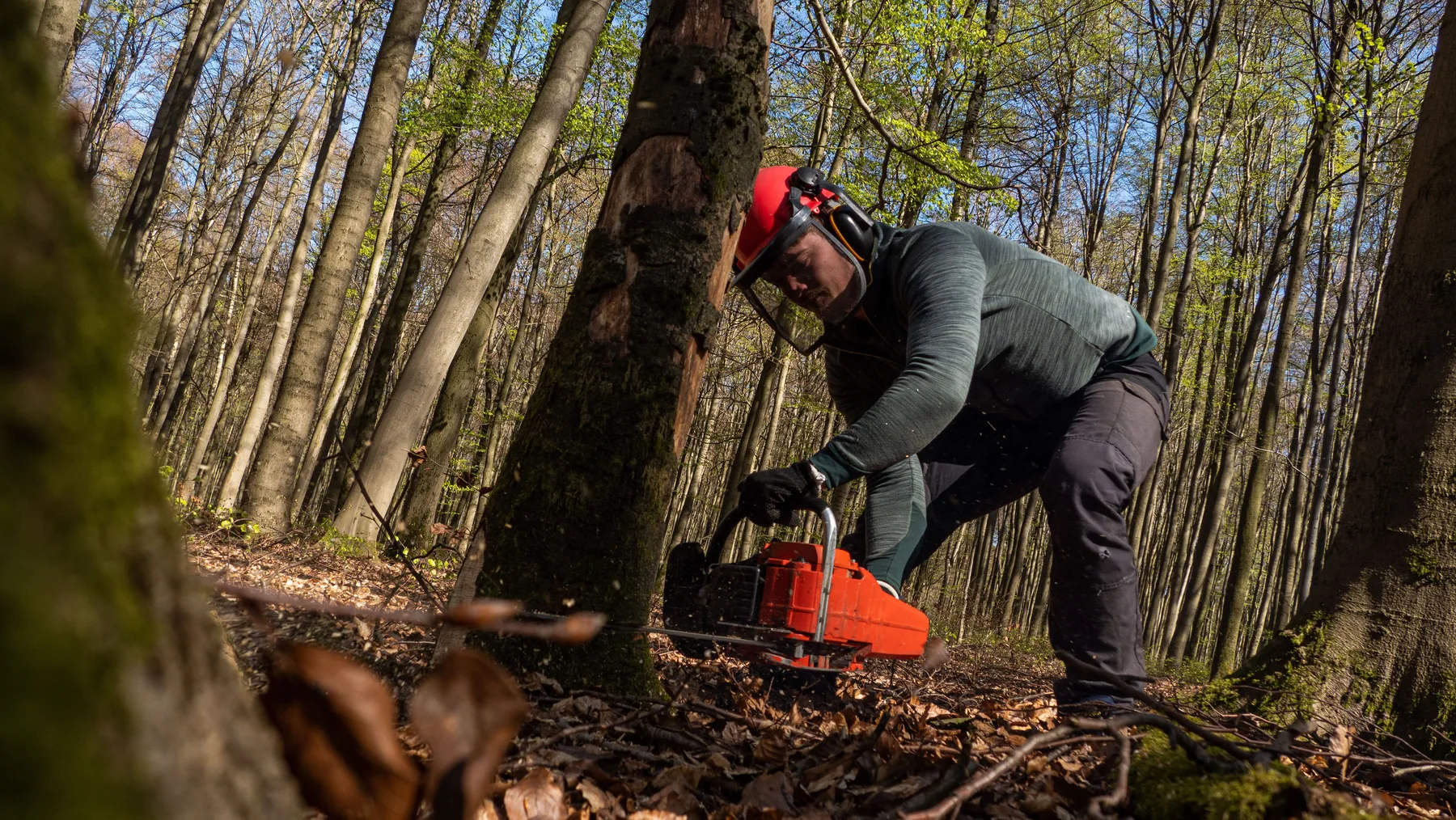
- Tree thinning and removal: Strategic removal of dead, dying, and overcrowded trees to reduce fuel density and create crown separation
- Brush clearing and chipping: Removal of scrub oak, gambel oak, mountain mahogany, and other fire-prone shrub species
- Ladder fuel removal: Pruning lower branches and removing understory vegetation that allows ground fire to reach tree canopies
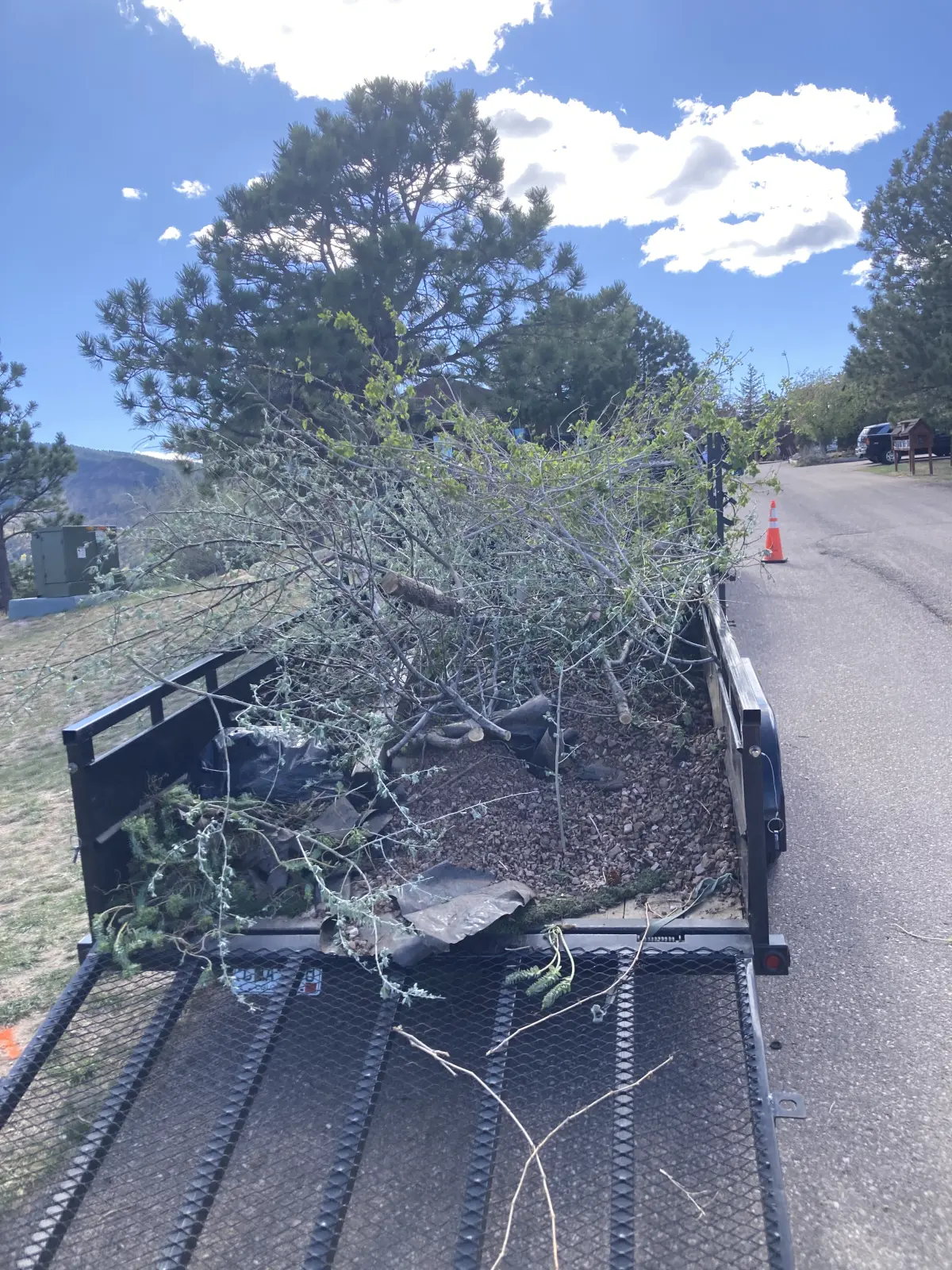
- Slash removal and disposal: Hauling or chipping all cut material -- no slash piles left on your property to create additional fire risk
- Fire-resistant landscaping: Replacement of flammable vegetation with fire-resistant native species and non-combustible ground cover
- Ongoing maintenance: Annual or seasonal revisits to maintain defensible space as vegetation regrows
Fire Mitigation and Your Insurance
Insurance carriers set their own underwriting and documentation requirements. Confirm what your carrier wants to see before work begins, then keep dated photos, the written scope, invoices, and maintenance records.
Insurance Eligibility
Requirements vary by carrier and property. Ask whether an inspection, specific treatment, photographs, invoices, or ongoing maintenance records are needed.
Premium Discounts
Do not assume mitigation will change your premium. Ask the carrier whether any credit is available and what documentation is required to qualify.
Property Value Protection
A documented maintenance history gives owners, managers, buyers, and insurers a clearer record of what was completed and when it was revisited.
Tax Credits and Grants
Colorado allows a wildfire mitigation income tax credit for qualifying taxpayers in tax years 2023 through 2027. Grant and cost-share programs change; confirm current eligibility with the state, county, fire district, HOA, or program administrator.
Services That Support Defensible Space
Landscape Maintenance
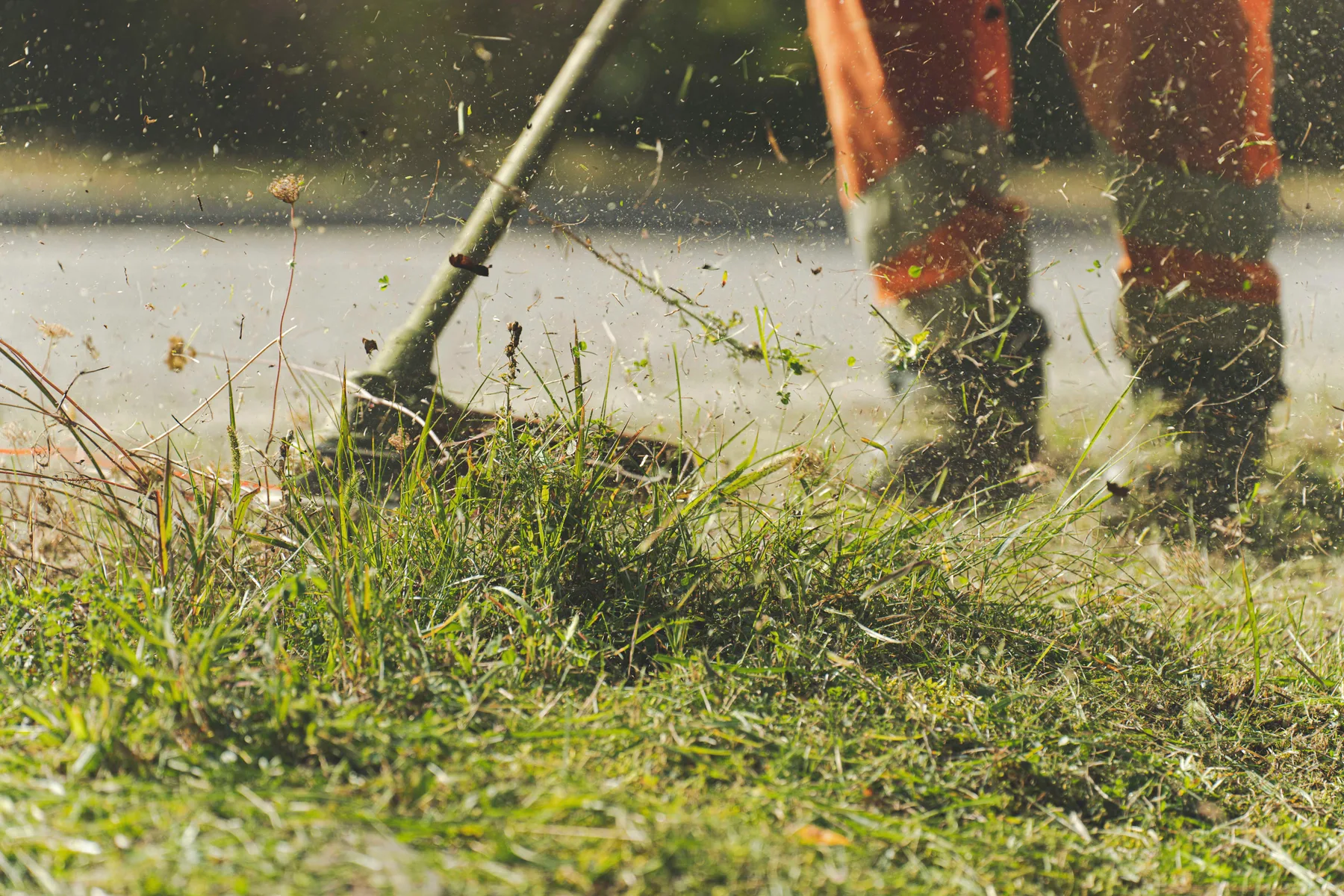
Recurring mowing, pruning, debris removal, and vegetation control help keep defensible space from growing back into a fuel concern.
Learn More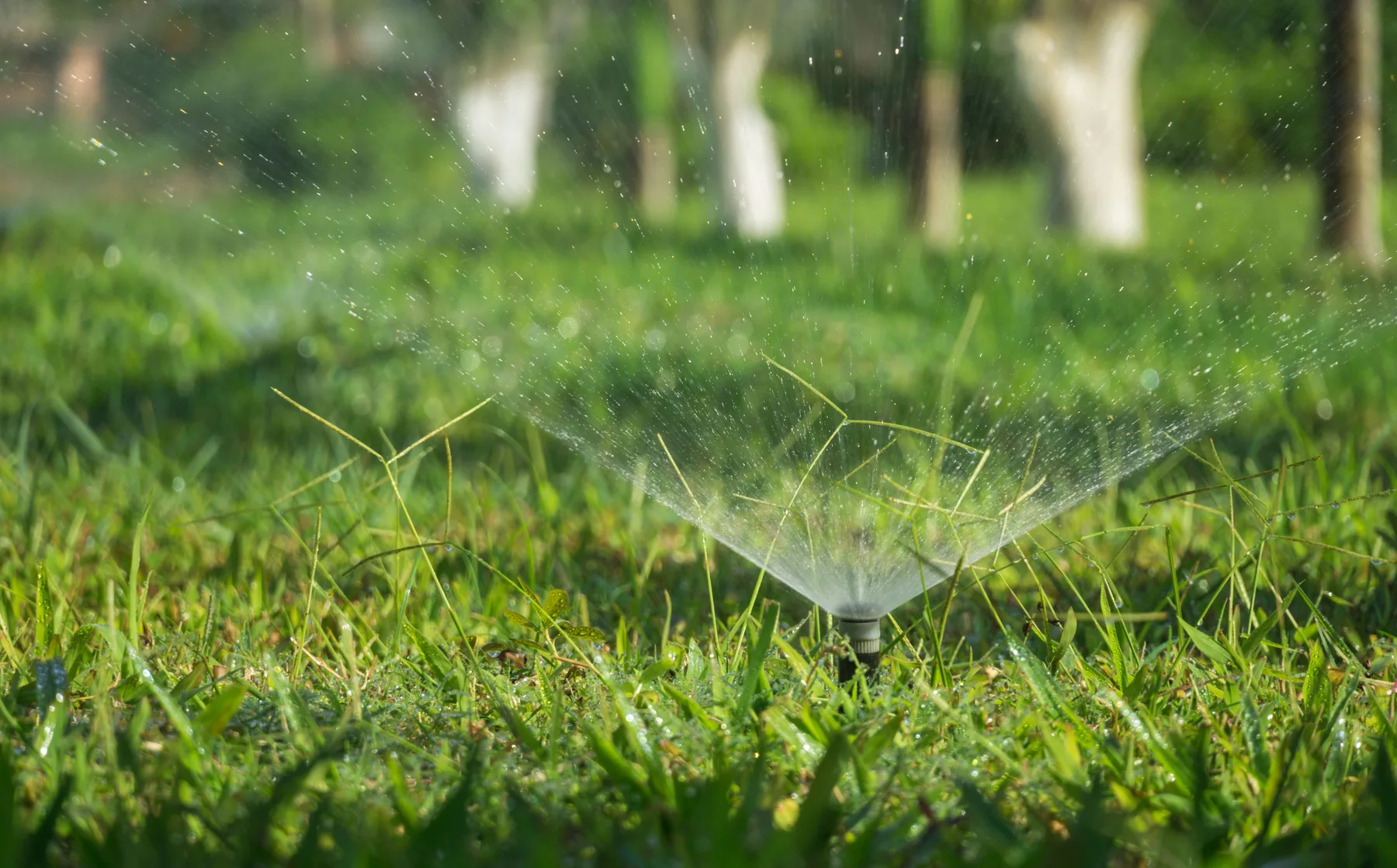
Irrigation Services
Zone checks, controller tuning, and head repairs help keep turf and planting areas healthier during dry Front Range weather.
Learn More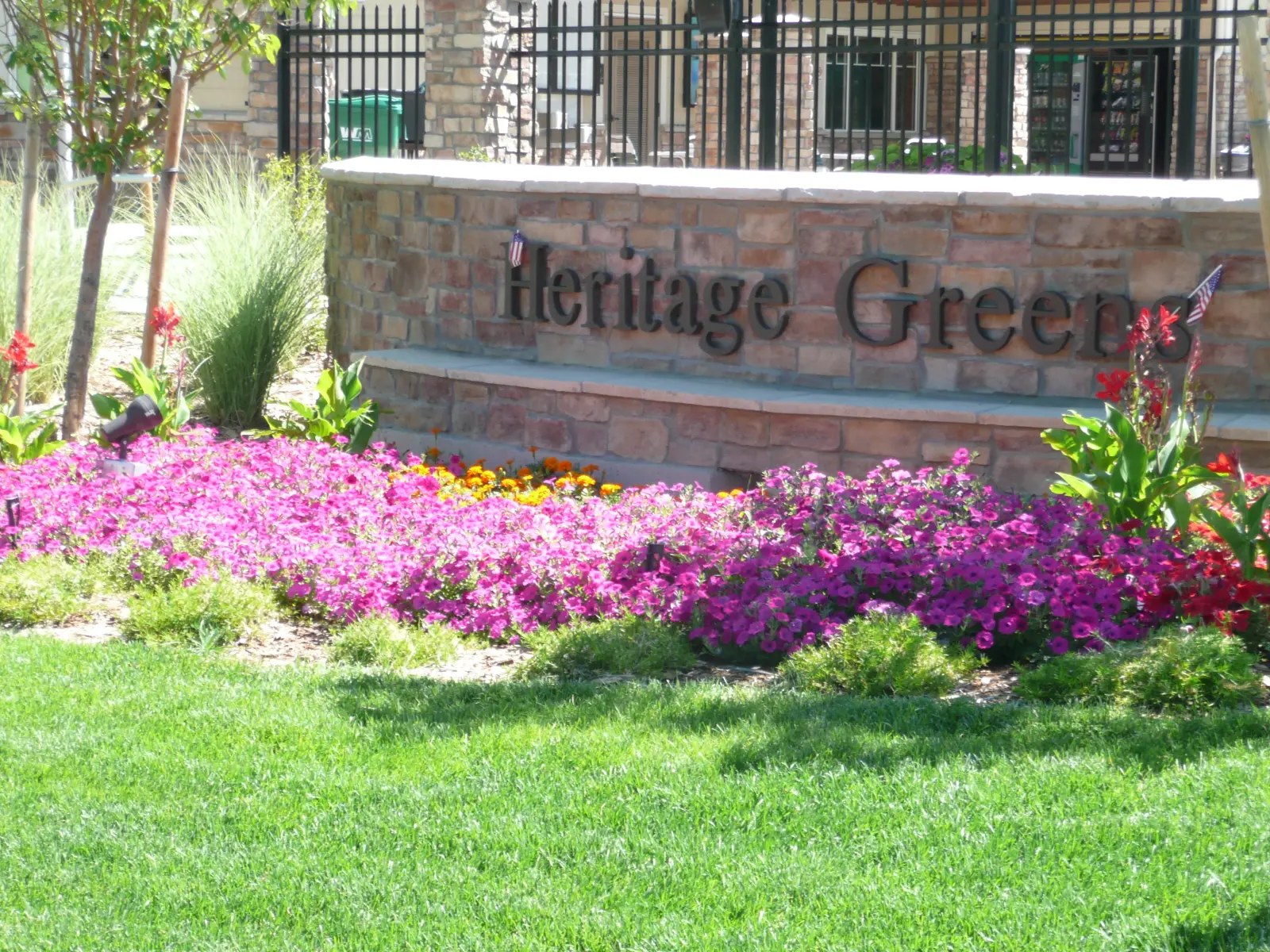
Commercial Landscaping
Commercial and HOA landscapes can be maintained with cleaner beds, safer clearances, and better seasonal fuel reduction.
Learn MoreFire Mitigation FAQ
Pricing depends on acreage, number of structures, slope, site access, vegetation density, tree work, equipment needs, and slash disposal. Contact JLS at 303-791-9121 for a property assessment and quote rather than relying on a flat estimate.
Requirements vary by property, fire protection district, HOA, insurer, and the work proposed. Check applicable local rules and insurance requirements before work begins. Colorado State Forest Service guidance is a useful planning baseline even when no property-specific mandate applies.
Tree and brush work is often easier during the dormant season, while mowing, debris removal, and roof-and-gutter cleanup continue through the growing and fire seasons. Timing should account for site access, local restrictions, habitat considerations where applicable, and disposal availability.
Defensible space requires ongoing maintenance because grasses, shrubs, and trees continue to grow and drop debris. Inspect the home ignition zone regularly and after wind or snow damage, mow regrowth, remove new debris, and re-treat resprouting vegetation as needed.