
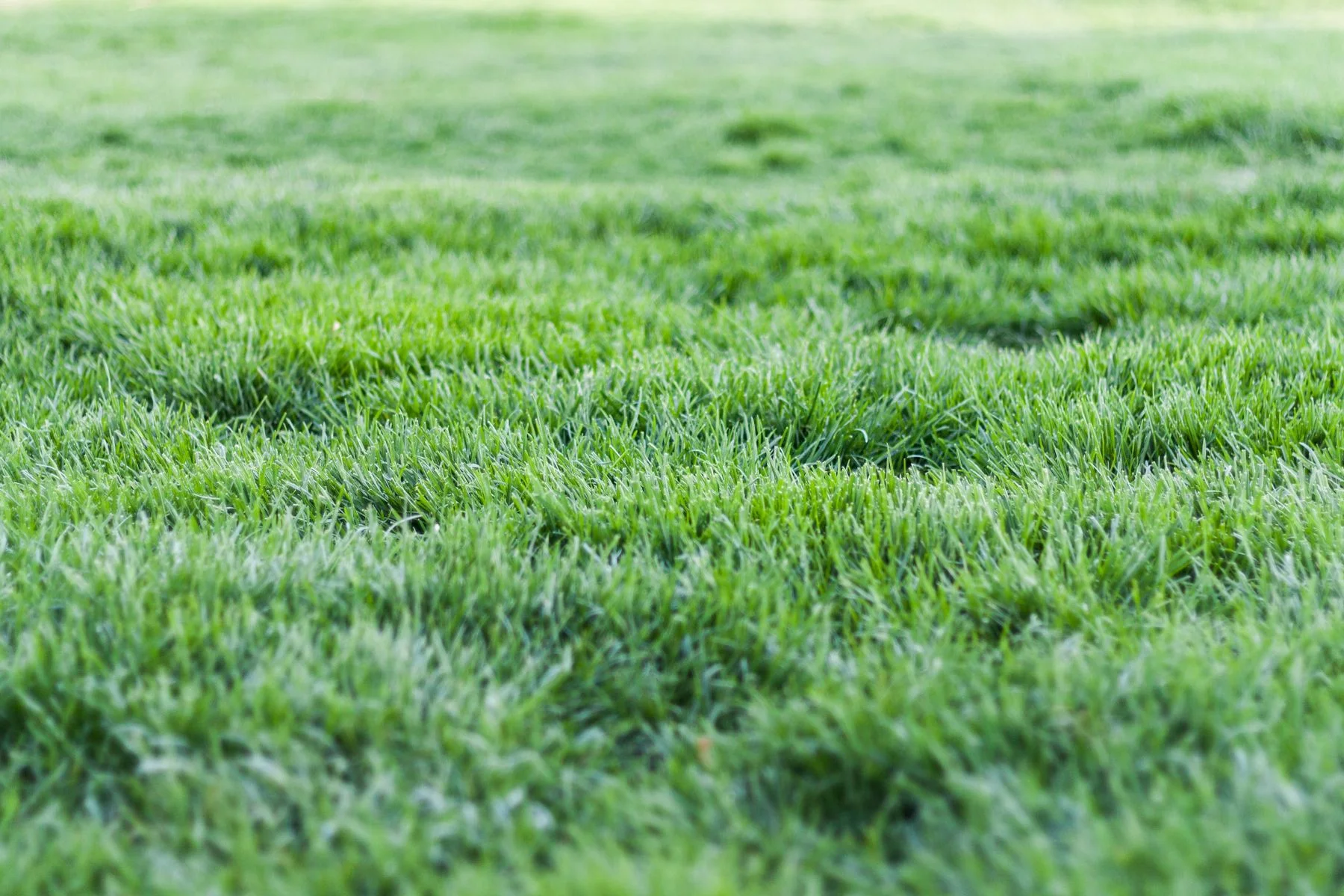
Lawn Aeration Services in Colorado
Core aeration breaks through Colorado's compacted clay soils to improve root depth, water infiltration, and nutrient absorption. The single most impactful service for turf health along the Front Range.
Why Aeration Is Essential for Colorado Lawns
Colorado's heavy clay soils compact more severely than almost any other soil type in the country. Core aeration is the most effective solution -- and for lawns in Douglas County, it is not optional.
The clay soils that dominate Castle Rock, Parker, Highlands Ranch, and most of Douglas County have a natural tendency to compact. Foot traffic, mowing equipment, and even the weight of snow load during winter press soil particles together, eliminating the air spaces that roots need to grow. In compacted clay, water runs off rather than infiltrating, fertilizer sits on the surface rather than reaching roots, and grass thins as roots cannot penetrate deeper than an inch or two.
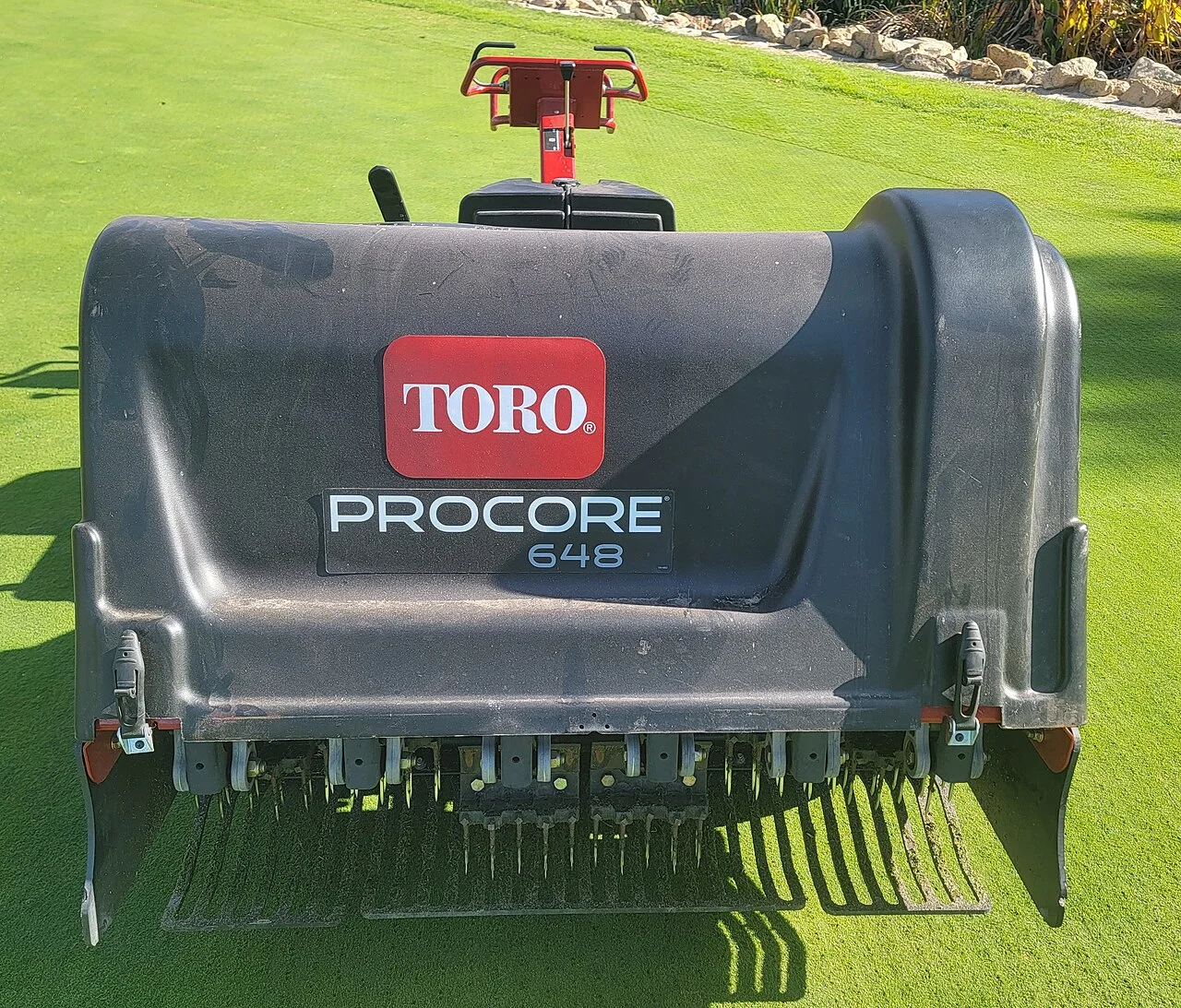

Core aeration uses hollow tines to pull 2 to 3-inch plugs of soil from the lawn, creating channels that allow air, water, and nutrients to reach the root zone. These cores break down on the surface over 7 to 14 days, redistributing organic matter back into the turf canopy. The result is measurably deeper roots, better drought tolerance, improved fertilizer efficiency, and a thicker, healthier lawn that requires less water to maintain.
JLS Landscape & Sprinkler provides core aeration for commercial properties, HOA common areas, and residential lawns across the Denver Metro and Douglas County. We use commercial-grade aerators that pull full-depth cores at proper spacing. For best results, we recommend combining aeration with overseeding and a fall fertilization application.
Best timing in Colorado: Late August through late September for cool-season grasses (Kentucky bluegrass, fescue). At elevations above 6,000 feet, the window shifts slightly -- our team schedules based on actual soil temperatures rather than calendar dates. Call 303-791-9121 to reserve your fall aeration.
What Aeration Does for Your Lawn
Relieves Soil Compaction
Core aeration physically breaks through compacted clay, creating channels for root expansion. In Douglas County's heavy clay, this is the only mechanical method that produces lasting compaction relief below the surface.
Improves Water Infiltration
Compacted soil repels water. After aeration, water penetrates directly to the root zone instead of running off. This reduces water waste, lowers your water bill, and helps your lawn stay within Castle Rock Water's tiered usage limits.
Deeper Root Growth
Grass roots in compacted Colorado clay rarely grow deeper than 1-2 inches. After aeration, roots can extend 4-6 inches or more, dramatically improving drought tolerance and heat stress resistance during summer.
Better Fertilizer Uptake
When fertilizer sits on compacted surfaces, it washes away with irrigation runoff. Aeration channels deliver nutrients directly to roots, making your fertilization program significantly more effective.
Thatch Reduction
Core aeration introduces soil microorganisms into the thatch layer, accelerating natural decomposition. This prevents the spongy thatch buildup that blocks water and encourages fungal disease in Colorado's variable climate.
Overseeding Success
Aeration creates ideal seed-to-soil contact for overseeding. Seeds fall into the core holes where they're protected from wind, birds, and surface drying -- critical in Colorado where low humidity desiccates surface seeds quickly.
Aeration FAQ
For cool-season grasses (Kentucky bluegrass, fescue), the ideal window is late August through late September when grass is actively growing and soil temperatures support recovery. At Douglas County elevations above 6,000 feet, this window may shift one to two weeks later than Denver schedules. Avoid aerating during summer heat stress or when soil is frozen.
Water your lawn one to two days before aeration so the soil is moist but not saturated. Moist soil allows the aerator tines to penetrate to full depth. After aeration, resume your normal irrigation schedule -- water helps the cores break down and seeds germinate if you've overseeded.
Those are soil cores -- they should be left on the lawn. They break down naturally over 7 to 14 days, redistributing soil and organic matter back into the turf. Do not rake or remove them. Mowing over them after a few days will speed up the process.
Aeration Planning for Front Range Lawns
A good aeration visit starts before the machine reaches the turf. JLS reviews irrigation coverage, slope, compaction, access, and the way the lawn is actually used. A commercial frontage along a parking lot, an HOA common green, and a backyard with pets can all need different passes, different scheduling, and different follow-up care. Areas near sidewalks and curb lines often compact first because of foot traffic, reflected heat, and snow storage. Shaded strips under mature trees may need lighter overseeding and careful watering because they recover differently than open sunny turf.
We also look for conditions that should be corrected before aeration. Sprinkler heads sitting too low, broken valve boxes, shallow cable lines, exposed roots, and saturated drainage pockets can all turn a helpful turf service into avoidable damage. If the lawn has active irrigation problems, we may recommend a sprinkler repair visit first so the turf can recover evenly after cores are pulled. When the soil is too dry, the aerator bounces and creates shallow holes. When the soil is too wet, tines smear the clay instead of opening it. Moist, firm soil produces the clean plugs that improve oxygen movement and root development.
After aeration, the next two to four weeks matter. Overseeded turf needs lighter, more frequent watering until germination, then a gradual return to deeper irrigation cycles. Fertilizer should support root recovery without forcing weak top growth during late-season heat. Mowing height should stay moderate so new seedlings are not scalped. On commercial and HOA properties, JLS can coordinate aeration with fertilization, irrigation checks, and fall cleanup so the site does not receive disconnected services from different vendors at the worst possible time of year.
For properties in Castle Rock, Parker, Highlands Ranch, and the broader Denver Metro, annual aeration is usually the baseline. High-traffic lawns, compacted clay sites, and turf that receives heavy winter snow piles may benefit from a second spring evaluation. The goal is not simply to make holes in the lawn; it is to build a turf system that accepts water, develops roots, and holds color through Colorado's dry swings.