Backflow Repair & Testing in Colorado
Certified backflow preventer testing, repair, and replacement to keep your irrigation system compliant with Colorado water district regulations. Annual testing required by law for all commercial and residential irrigation systems.
Backflow Prevention Is Required by Colorado Law
Every irrigation system connected to a municipal water supply in Colorado must have a functioning backflow preventer, and most water districts require annual testing by a certified tester. This is not optional -- it protects your drinking water from contamination.
A backflow preventer stops irrigation water -- which may contain fertilizer, pesticides, soil bacteria, and other contaminants -- from flowing backward into the municipal drinking water supply. Without a functioning device, a sudden pressure drop in the water main (from a fire hydrant use, water main break, or pump failure) can create a siphon effect that pulls contaminated water from your irrigation pipes directly into the public water system.

Colorado water districts including Castle Rock Water, Parker Water & Sanitation, Centennial Water & Sanitation, and Denver Water all require annual backflow testing. Failure to test can result in water service disconnection. For commercial properties and HOAs, maintaining current backflow certification is a compliance requirement that JLS manages as part of our irrigation service programs.
JLS Landscape & Sprinkler employs certified backflow testers who can test, repair, and replace all types of backflow prevention assemblies including Reduced Pressure Zone (RPZ) devices, Pressure Vacuum Breakers (PVB), and Double Check Valve Assemblies (DCVA). We file test results directly with your water district so you stay in compliance without paperwork headaches.
Common backflow repair needs in Colorado include freeze-damaged check valves (from improper winterization), worn relief valve seats, corroded test ports, and age-related seal failures. Our technicians carry common repair parts on their service vehicles so most repairs are completed during the testing visit -- saving you a second service call.
Our Backflow Services
Annual Testing
State-certified testing using calibrated gauges to verify your backflow device meets Colorado requirements. Test results filed directly with your water district. Most districts require testing between April and June.
Repair & Rebuild
Failed tests usually mean worn seals, damaged check valves, or corroded components. Our technicians carry common repair kits and can rebuild most assemblies on-site during the same visit.
Replacement & Installation
Severely damaged or outdated assemblies that cannot be repaired cost-effectively are replaced with current-generation devices that meet code. We handle permits, installation, and initial certification testing.
Backflow Testing FAQ
Most Colorado water districts require annual testing. Castle Rock Water, Parker Water, and Denver Water all mandate yearly certification. Some districts send reminder notices; others will disconnect your water service without warning if your test is overdue. JLS tracks testing schedules for our commercial clients and sends reminders.
A failed test means one or more components of your backflow preventer are not maintaining proper pressure differentials. The device must be repaired and retested before certification can be issued. Our technicians carry common repair parts and can often complete repairs during the same visit, retesting immediately after the repair.
Yes. Backflow preventers that are not properly winterized can crack from ice expansion inside the valve body. This is one of the most common and expensive backflow problems in Colorado. Proper winterization of the entire irrigation system -- including draining or insulating the backflow assembly -- prevents this damage.








Backflow Repair Details That Affect Scheduling
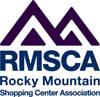
Backflow assemblies protect the potable water supply from irrigation-system cross connection risks, so repair work needs to be handled with care and clear documentation. Common issues include cracked components after freeze exposure, worn seals, damaged shutoff valves, leaking test ports, pressure loss, and assemblies that fail annual testing. JLS approaches backflow repair as part of the larger irrigation system, because a damaged assembly can also point to winterization problems, pressure changes, or downstream leaks.
For commercial properties, HOAs, and residences, the best time to address backflow concerns is before irrigation demand peaks. A practical repair visit should confirm the assembly type, inspect visible damage, evaluate valve operation, check surrounding piping, and identify whether the issue is isolated or connected to broader sprinkler performance. When repairs are complete, the site should have a clear next step for testing, activation, or winterization so the system remains compliant and dependable through the season.
JLS commonly finds backflow issues during spring activation, annual testing, and post-freeze inspections. A device that drips from the relief valve may need cleaning, seat replacement, or a rebuild kit. Shutoff valves that will not close can prevent a proper test and may need replacement before certification can be completed. Test cocks can corrode or seize after years of exposure. On older irrigation systems, piping around the assembly may have settled, leaving stress on the valve body. Our technicians document these conditions so property managers and homeowners understand whether they are approving a minor repair, a full rebuild, or replacement of a device that no longer makes financial sense to keep patching.
Water districts can also differ in deadlines, forms, and enforcement. Properties in Castle Rock, Parker, Littleton, and Denver-area jurisdictions may receive different reminder notices, but the practical requirement is the same: the assembly must be tested by a qualified tester and the result must be submitted correctly. JLS helps keep the process straightforward by tying testing and repair to the broader irrigation calendar. If a backflow repair reveals freeze damage, we will also discuss sprinkler blowout practices and whether the assembly needs better draining, insulation, or seasonal protection before the next winter.
Backflow work is also a good time to look at system pressure. Excessive pressure can stress heads, valves, and fittings throughout the sprinkler system, while low pressure can leave dry zones that look like turf disease or poor fertilization. If a backflow repair is part of a larger irrigation concern, JLS can coordinate pressure checks, controller review, valve diagnostics, and irrigation service so the completed repair supports the entire system instead of solving only the immediate test failure.