Commercial Snow Removal for Denver Metro Properties
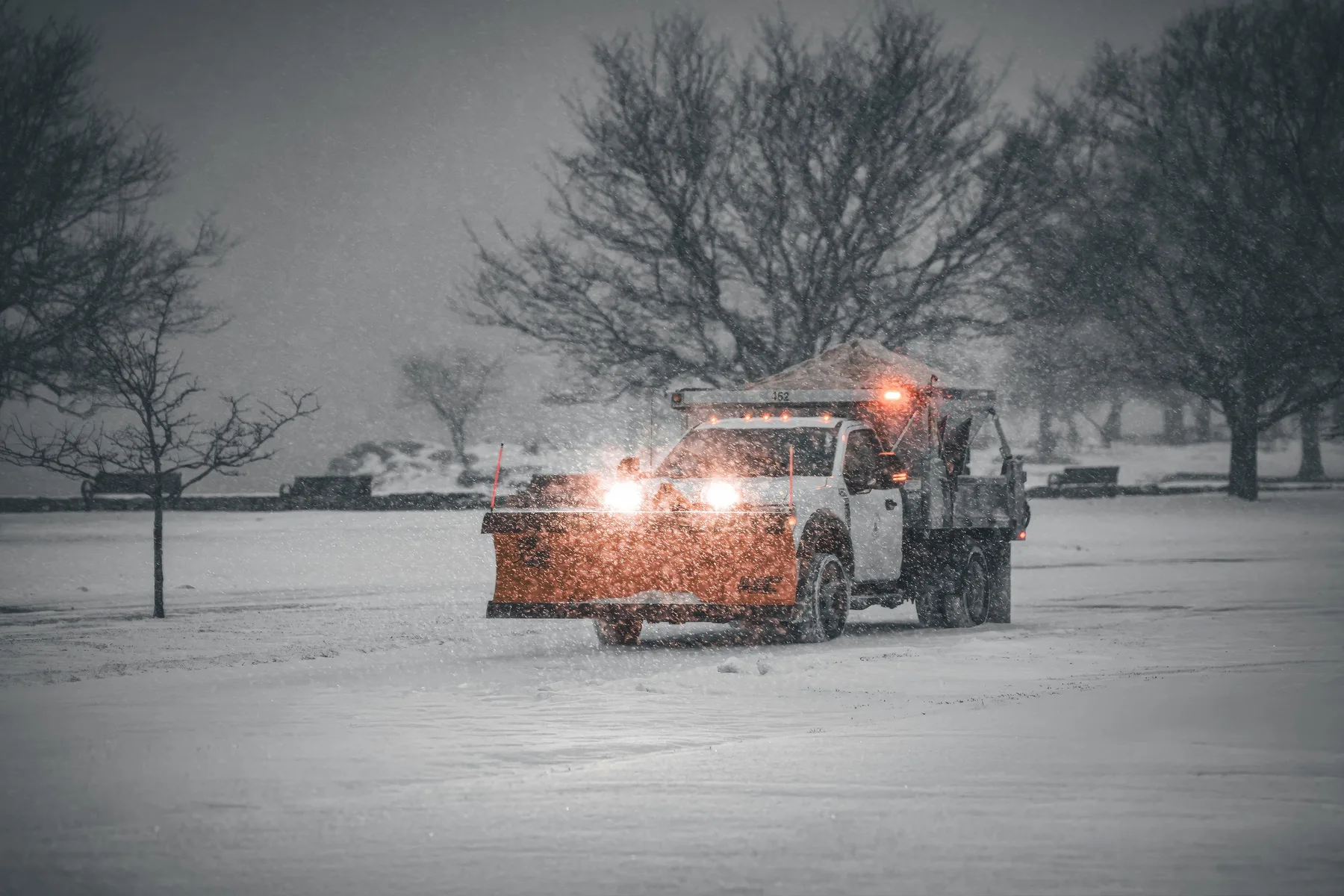
Snow response for offices, HOAs, medical campuses, retail centers, industrial yards, and multi-building properties requires planning before storms arrive. JLS builds commercial snow programs around site risk, access priorities, equipment routing, deicing strategy, and clear communication.
Commercial Snow Service Is a Risk Plan, Not Just a Plow Route
Commercial snow removal has to protect daily access while limiting avoidable liability. A small office lot, a retail center, and a medical property may all need plowing, but the response plan should not be identical. JLS starts with the property layout: primary entrances, tenant doors, fire lanes, ADA routes, loading areas, trash enclosures, sidewalks, curb ramps, drainage low points, and places where refreeze is likely after afternoon sun. Those details determine where crews begin, which equipment fits, where snow can be stacked, and which surfaces need follow-up treatment after the first pass.
Denver Metro storms also create timing challenges. Some events arrive overnight and need early-morning access restored before employees, residents, or customers arrive. Others come in waves, with light accumulation followed by wind, falling temperatures, or freeze-thaw conditions. JLS commercial snow plans define service triggers and priority sequences before the season begins so crews can move with less guesswork during active weather.
Documentation matters for property managers. A good snow plan should identify the service level, expected response windows, material approach, map notes, communication contacts, and any special instructions for gates, loading docks, emergency access, or high-traffic walkways. This gives managers a practical reference when tenants ask what is included and gives crews the context they need when weather changes quickly.
Snow Programs Built Around Property Use
JLS helps commercial clients choose service levels that match risk, budget, and operating hours.
Zero-Tolerance Sites
Healthcare, retail, high-traffic offices, and critical-access properties often need service at the first sign of accumulation. Crews may pre-treat, plow during the event, clear walks repeatedly, and return for cleanup so entrances and pedestrian routes stay usable.
Trigger-Based Contracts
Some office parks, industrial properties, and lower-traffic sites use a set accumulation trigger. This approach can control cost when expectations are clear, but it still needs documentation for sidewalks, deicing, refreeze checks, and post-storm cleanup.
Hybrid Response Plans
Many properties need a mix: aggressive service at entrances and ADA routes, measured plowing in back lots, and targeted deicing where shade or drainage creates recurring ice. Hybrid plans keep the highest-risk areas prioritized without treating every surface the same.
What JLS Reviews Before the First Storm
Preseason site review is one of the most important parts of commercial snow management. JLS looks at pavement condition, curb lines, islands, drains, hydrants, emergency routes, pedestrian chokepoints, and places where snow piles could block sight lines or melt back across travel lanes. Crews also identify equipment access limits. A loader may be right for a large open lot, while tighter properties may need skid steers, pickup plows, smaller machines, hand crews, or snow hauling when storage space is limited.
Deicing strategy is part of that review. Materials should be selected for the surface, expected temperature, traffic level, and environmental concern. Over-application wastes budget and can damage landscape beds or hardscape edges. Under-application can leave recurring ice in shaded areas, north-facing walks, and drainage paths. JLS uses site-specific notes so crews know where to apply material, where to watch for refreeze, and where a manager may want a more conservative approach.
Communication is also planned before weather arrives. Commercial clients need to know who receives storm updates, how service issues are reported, and what information crews need to access the property. Gate codes, lock boxes, fire lanes, dock schedules, tenant restrictions, and special event dates can all affect response. Capturing those details in advance helps the snow team work efficiently during the storm instead of trying to solve access problems in the middle of the night.
Commercial Properties JLS Supports
JLS provides commercial snow removal for properties that need reliable winter access across Denver Metro and Douglas County. Typical sites include office campuses, HOAs, apartment and townhome communities, medical and professional buildings, churches, retail centers, industrial facilities, warehouse yards, and mixed-use properties. Each property type has different pressure points. HOAs need resident access and clear walks. Retail centers need customer parking and storefront entrances. Medical sites need dependable routes for patients, staff, and emergency access. Industrial properties need loading areas and yard circulation kept functional.
Because JLS also works in landscape maintenance and irrigation, the team understands how snow operations affect the rest of the property. Snow piles can damage turf, block drains, crush shrubs, or expose irrigation components if stacking areas are not planned. A winter plan that respects landscape infrastructure helps reduce spring repair work and keeps the property cleaner when snow melts.