Colorado's Late-Season Snow Reality
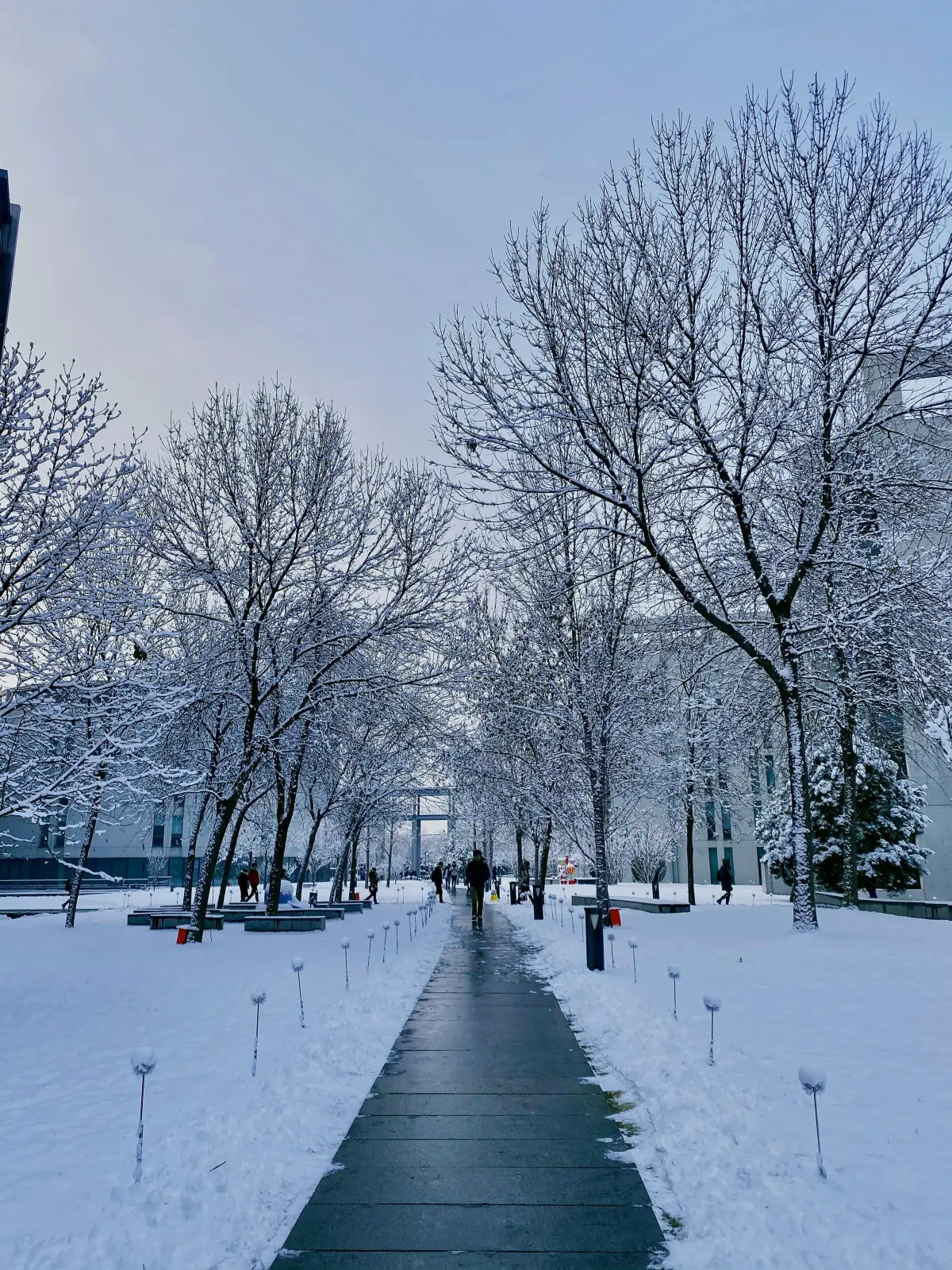
Denver's average last freeze date is May 4, but measurable snowfall has been recorded as late as June in the metro area. The Front Range averages 2 to 4 snowstorms between April 1 and May 15 each year. In 2026, April has already delivered multiple freeze events following weeks of warm weather that prompted early irrigation activation across Douglas County.
The pattern is predictable: warm March weather encourages property managers to activate irrigation systems early, then a late-April or early-May storm drops temperatures below freezing overnight. Water sitting in above-ground components -- backflow preventers, exposed mainlines, sprinkler heads, and valves -- expands when it freezes, cracking housings and splitting pipes.
What Freezes First: Vulnerable Components
Not all parts of your irrigation system face equal risk during a spring freeze. The most vulnerable components are:
- Backflow preventer: The most expensive and exposed component. Brass fittings crack when water inside them expands during freezing. Replacement cost: $300 to $800+.
- Above-ground piping: Any supply lines above the frost line are at risk. PVC pipe is especially brittle in cold temperatures.
- Sprinkler heads: Pop-up heads that are extended (mid-cycle) during a freeze can crack. Heads at the low point of a zone retain water and are more vulnerable.
- Valves and solenoids: Diaphragm valves in above-ground valve boxes can freeze if the box is not properly insulated or buried deep enough.
- Controllers with outdoor displays: LCD screens can malfunction when temperatures drop below 20 degrees Fahrenheit.
How to Protect Your System Before a Spring Storm
When a freeze warning is issued, take these steps immediately:
1. Shut Off the System and Drain
Turn off the irrigation controller and close the main supply valve. Open manual drain valves at the lowest points in the system to release standing water. If your system has automatic drain valves, run each zone for 30 seconds then shut down -- the auto-drains will release residual water as pressure drops.
2. Insulate the Backflow Preventer
Wrap your backflow preventer with insulation tape, a towel, or a commercial insulation bag rated for outdoor use. Do not use plastic bags alone -- they trap moisture against the metal and can make freeze damage worse. Purpose-built insulated covers are available at irrigation supply stores and are reusable season after season.
3. Disconnect and Drain Hoses
Any garden hoses connected to outdoor spigots should be disconnected. Water trapped in a hose can freeze back into the spigot and damage the anti-siphon valve or indoor plumbing connections.
4. Check After the Storm
Once temperatures return above freezing for 24 hours, inspect your system before running it again. Look for:
- Cracks or splits in the backflow preventer housing
- Water pooling around valve boxes (indicates a cracked valve)
- Sprinkler heads that are tilted, broken, or not retracting properly
- Low pressure on specific zones (may indicate a cracked lateral line)
When to Activate Irrigation in Colorado
The safest approach for Front Range properties is to wait until after Mother's Day (mid-May) for full system activation. However, turf and plants may need supplemental water in April during warm stretches. JLS recommends a staged approach:
- Early April: Spring inspection only. Check for winter damage, test valves, verify controller programming. Do not pressurize the system.
- Mid to late April: Partial activation with freeze monitoring. Activate drip zones for trees and established beds (less freeze risk). Keep spray zones off until nighttime lows stay above 35 degrees consistently.
- After May 10: Full system activation. Program all zones, set schedules per municipal watering restrictions, install rain sensors.
This phased activation reduces freeze risk while keeping critical plantings hydrated during Colorado's warmest spring days.
What JLS Does Differently
JLS Landscape and Sprinkler monitors weather forecasts for all managed properties during the spring transition period. When a freeze event is predicted:
- We suspend irrigation schedules across all managed commercial properties 24 hours before the expected freeze
- Our team verifies that controllers are off and systems are not running overnight into freezing conditions
- After the event passes, we conduct a visual inspection of backflow preventers and exposed components before restarting
- Damage is documented and repair quotes are provided same-day when issues are found
This proactive approach has prevented thousands of dollars in freeze damage across our commercial portfolio every spring season. It is one of the advantages of having the same team manage both your landscape irrigation and your snow operations -- we are already monitoring weather 24/7.
Signs of Freeze Damage to Watch For
Some freeze damage is not immediately visible. Over the following days and weeks after a spring storm, watch for:
- Unexpectedly high water bills (indicates an underground leak from a cracked line)
- Wet spots or soggy areas in the lawn when the system is off
- Zones that run but produce little or no spray (pressure loss from a crack)
- A backflow preventer that drips or leaks constantly after being re-pressurized
- Brown spots appearing in turf despite regular irrigation (heads not popping up due to crack damage)
If you notice any of these signs, contact JLS for a diagnostic service call. Early detection prevents small cracks from becoming major repairs.