
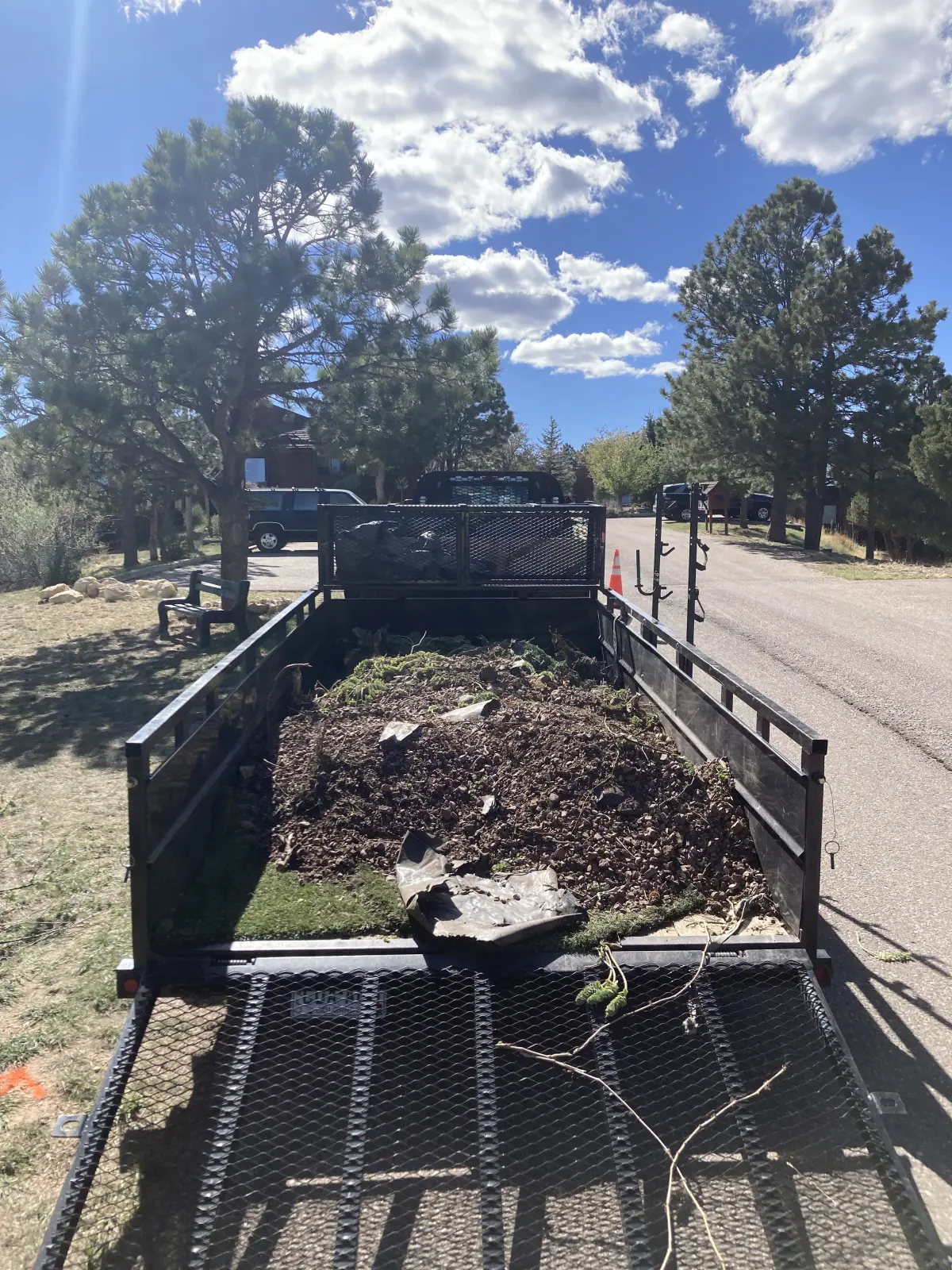
Homeowners usually start comparing landscape maintenance companies when the property starts showing more than one issue at the same time. Turf may be uneven in color, planting beds may need cleanup, weeds may be moving faster than weekend work can keep up, or the sprinkler system may be leaving one area dry while another stays too wet. In Denver Metro, those problems are often connected.
JLS Landscape & Sprinkler serves Denver Metro and Douglas County properties with scheduled landscape maintenance, irrigation service, seasonal cleanup, snow planning, and related property-care support. The questions below can help homeowners prepare for a useful quote conversation and compare the actual work included, not just the number of visits.
What Does the Maintenance Visit Actually Include?
Start with the basics. Ask whether the regular visit includes mowing, edging, trimming, bed touchups, weed observations, turf observations, blowing hard surfaces, and communication about issues the crew sees on site. If a proposal simply says "lawn care" or "weekly service," ask for more detail. Denver Metro homeowners are better served by a clear maintenance scope than by a vague promise to keep things looking good.
The right answer depends on the property. A home with large turf areas, shaded side yards, ornamental beds, slopes, narrow gates, or HOA appearance expectations may need a different rhythm than a smaller low-maintenance yard. JLS looks at the property type, access, turf condition, bed standards, irrigation zones, and seasonal needs before recommending a maintenance plan.
Is This Recurring Maintenance, Seasonal Cleanup, or Both?
Recurring maintenance and seasonal cleanup solve different problems. Recurring visits keep the property consistent during the growing season. Seasonal services handle heavier work such as spring recovery, bed preparation, pruning decisions, aeration planning, fertilization coordination, mulch and rock refreshes, fall leaf removal, irrigation activation, and winterization timing.
Many Denver Metro homes need both types of service. Spring may reveal turf damage, compacted soil, and broken sprinkler heads after winter. Summer brings heat stress, hail, dry wind, fast weed growth, and watering restrictions. Fall shifts attention to leaves, drainage, final turf care, and winter preparation. Before booking, ask which tasks are part of the regular visit and which are quoted as seasonal work.
How Will Irrigation Concerns Be Reported?
Landscape maintenance and irrigation service and repair are separate services, but they affect each other every week in Colorado. Brown turf can come from low heads, a controller setting, a bad nozzle, a valve issue, runoff, overspray, or poor coverage. Planting beds can decline when drip zones miss the root area or when plant growth blocks spray patterns.
Ask whether the maintenance team reports dry spots, wet areas, broken heads, controller concerns, and runoff. Also ask how repair work is coordinated when the issue is outside the maintenance scope. You do not need every irrigation repair bundled into a landscape maintenance package, but you should know what happens when the crew sees a water problem that can affect turf health.
What Photos or Site Information Help the Quote?
Photos can make the first conversation more accurate. Wide shots help show turf size, access, slopes, gates, and bed layout. Close photos help show thinning turf, weed pressure, dry spots, sprinkler damage, overgrown shrubs, mulch depth, drainage concerns, or edges that need detail work. If you already have a service schedule, share what is working and what is not.
For JLS, helpful quote details include the property address, current service frequency, irrigation concerns, desired maintenance level, cleanup priorities, access instructions, pets, parking limits, and whether snow-season access should be considered later in the year. The goal is not to make the request complicated. It is to avoid a proposal that leaves important work outside the scope.
How Often Should the Property Be Maintained?
Weekly landscape maintenance is common during active growing season, but frequency should be matched to the site. Turf area, irrigation performance, tree canopy, sun exposure, slope, bed complexity, and curb-appeal expectations all matter. A highly visible front yard may need a tighter schedule than a low-use side yard or a native planting area designed for lower input.
Ask how the schedule changes during spring, peak summer, late summer, and fall. Mowing, edging, irrigation observations, storm cleanup, pruning restraint, leaf removal, and winter preparation do not all happen at the same interval. A useful maintenance plan should explain both the recurring rhythm and the seasonal checkpoints.
Which Local Conditions Should Shape the Plan?
Denver Metro landscapes deal with semi-arid conditions, clay-heavy soils, intense sun, dry wind, fast temperature swings, late freezes, hail, and winter recovery. Conditions also vary by community. Properties in Highlands Ranch, Castle Rock, Parker, Littleton, Sedalia, and Larkspur can have different exposure, access, irrigation, drainage, and plant-health concerns.
JLS plans landscape maintenance in Denver Metro around the regional conditions that affect turf care, bed maintenance, irrigation checks, seasonal cleanup, and snow-season preparation. Service is available across Denver Metro and Douglas County.
Can the Maintenance Plan Account for Winter?
Even if you are booking during summer, ask how the property should transition into fall and winter. Fall cleanup affects drainage, turf recovery, and spring appearance. Irrigation winterization protects system components before hard freezes. For properties that also need snow removal, fall is the time to identify sensitive turf edges, irrigation boxes, drainage paths, beds, and snow storage areas.
Not every homeowner needs a bundled year-round plan, but the conversation should account for how one season affects the next. JLS can coordinate landscape maintenance with irrigation support, seasonal cleanup, and snow planning where it fits the property. That gives homeowners a clearer path when the site needs more than a basic lawn visit.
Frequently Asked Questions
What should homeowners ask before booking landscape maintenance in Denver Metro?
Ask how the company evaluates turf, beds, irrigation zones, drainage, access, seasonal cleanup, and service frequency before recommending a scope. JLS also recommends sharing photos and current concerns so the quote conversation starts with the real property conditions.
Should irrigation issues be discussed before booking landscape maintenance?
Yes. Dry spots, broken heads, controller settings, runoff, overspray, and leaks can all affect turf health and bed performance. Ask whether the maintenance team will report irrigation observations and how repair service is coordinated.
How often do Denver Metro homes need landscape maintenance?
Many properties need weekly service during peak growing season, but the right frequency depends on turf size, irrigation performance, shade, exposure, bed detail, and seasonal expectations. Spring and fall may need separate cleanup or transition services.
What should homeowners prepare before requesting a quote?
Prepare the property address, photos of turf and bed areas, access instructions, current service frequency, irrigation concerns, cleanup goals, and any seasonal services you want included. These details help JLS prepare a clearer landscape maintenance scope.
Ready to Talk Through Your Property?
If you are comparing landscape maintenance options, start with the property conditions that matter most: turf health, bed standards, irrigation reliability, seasonal cleanup, access, and how much communication you expect from the team maintaining the site. JLS provides landscape maintenance across Denver Metro and Douglas County, with the scope matched to each property.
Use the contact form or call 303-791-9121 to request a landscape maintenance quote. Include your address, service goals, and any photos that show turf, bed, irrigation, or cleanup concerns.