
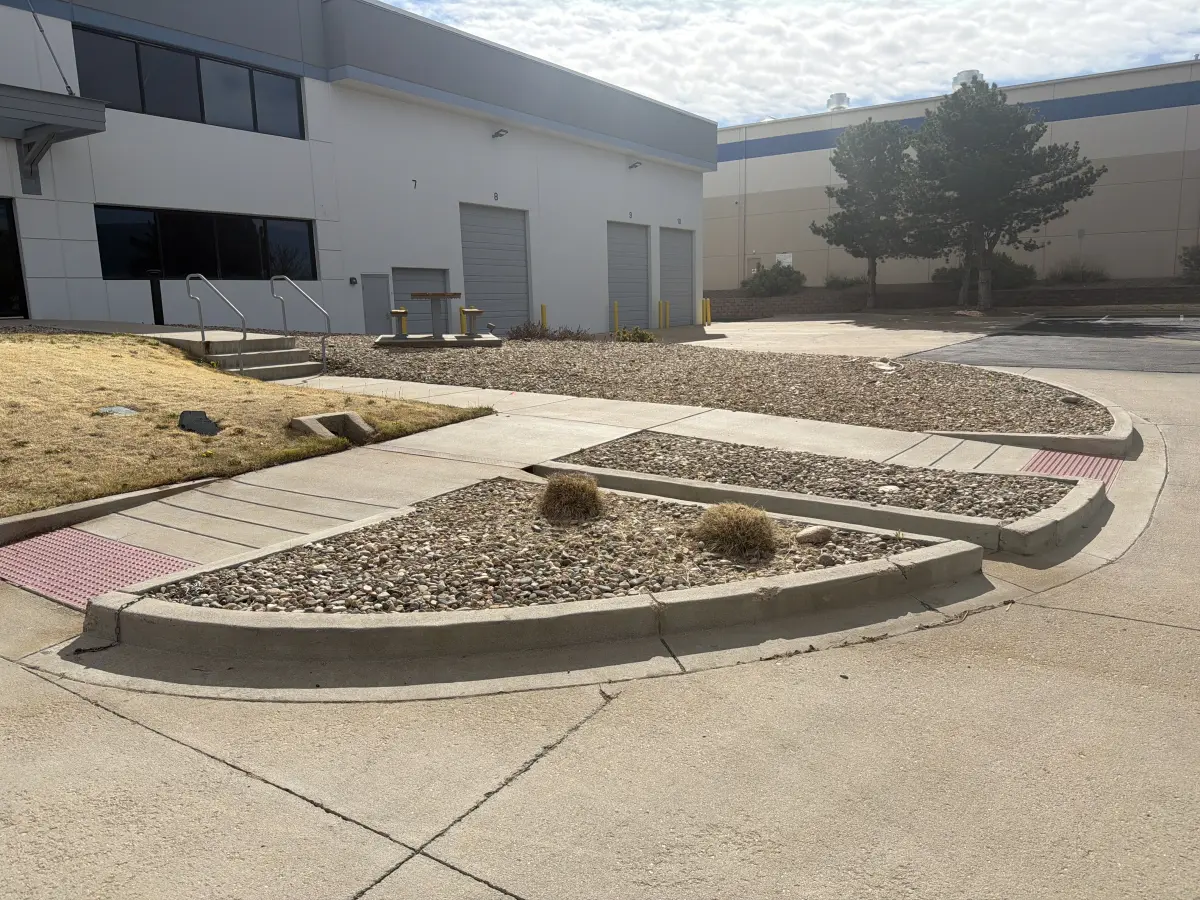
A useful landscape maintenance plan starts with the property itself. Denver Metro homes can combine turf, planting beds, mature shrubs, slopes, rock areas, irrigation zones, pets, gates, and HOA expectations. Two properties on the same street may need different priorities.
Begin with a quick property inventory: note the areas that need recurring care, anything that is struggling, access limits, and the result you want to see. Those observations provide the foundation for a clear scope, a realistic schedule, and better decisions about repairs or lower-input changes.
Define the Recurring Maintenance Scope
“Landscape maintenance” is a category, not a universal checklist. A recurring plan may include mowing, edging, turf and planting-bed care, pruning, weed management, debris removal, and seasonal cleanup. Services such as aeration, fertilization, and a mulch or rock refresh may occur on a separate schedule or require separate approval.
Ask the proposal to name the maintained areas, how often each task occurs, and what is excluded. This is especially important for side yards, slopes, less-visible beds, and work that depends on plant condition rather than a fixed calendar. JLS provides a broader overview on its landscape maintenance service page.
Account for Denver Metro Growing Conditions
Sun and wind exposure, slope, drainage, soil condition, mature trees, and sprinkler coverage all influence how a landscape performs. The right question is not whether every visit will be identical; it is how the plan responds when growth, moisture, and cleanup needs change.
During a walkthrough, point out dry areas, persistently wet spots, runoff paths, erosion, stressed plants, and places where snow or foot traffic affects the landscape. Ask which observations are part of recurring care and which would lead to a separate recommendation. For relevant local service paths, review the Denver Metro service area and dedicated Denver Metro landscape maintenance page.
Set a Visit Cadence That Can Change With the Season
There is no single useful frequency for every property. Visit cadence depends on the maintained areas, plant and turf growth, season, property use, and appearance expectations. A clear proposal distinguishes tasks completed on every visit from seasonal or condition-based work.
Ask how the schedule changes through active spring growth, summer heat, leaf season, and winter preparation. Also clarify what happens after weather delays and how changes are communicated. If your property is in the county’s primary service focus, the Douglas County landscape maintenance page provides another useful local overview.
Compare the Work and Expected Result, Not Just an Hourly Rate
An hourly number alone does not reveal whether a proposal is a good value. Crew size, equipment, travel, disposal, access, task complexity, and the amount completed can differ. A lower hourly rate may not produce a lower total; a higher rate does not automatically promise a better result.
The same limitation applies when asking how much two hours of yard work should cost. “Two hours” does not identify the crew, tools, hauling, or work included. Compare the written scope, expected result, exclusions, and change-approval process alongside the rate or total estimate. Ask whether recurring pricing includes seasonal tasks or whether those are quoted separately.
Separate Routine Observations From Sprinkler Repair
Routine care and irrigation performance are connected, but observing a symptom is not the same as diagnosing or repairing it. A visit may reveal dry patches, overspray, runoff, persistently wet soil, or damaged sprinkler components. Ask how those concerns are documented, who approves added work, and whether repairs fall under a separate service.
Raise known leaks, controller problems, damaged heads, or uneven coverage during the first walkthrough. JLS offers separate irrigation service and repair and sprinkler repair for issues that need troubleshooting.
Identify Changes That Can Reduce Ongoing Upkeep
No landscape is maintenance-free. Lower-input choices often come from matching the layout and materials to the site: appropriately placed plants, right-sized turf areas, efficient irrigation zones, and suitable mulch or rock. Weeds, plant growth, irrigation checks, debris, and seasonal cleanup still require attention.
Before removing turf or changing materials, account for sun, slope, drainage, traffic, pets, irrigation coverage, and neighborhood requirements. Ask whether the issue can be handled through maintenance or whether it calls for a design change from a landscape contractor.
Put the Working Plan in Writing Before the First Visit
Finish the booking conversation with details that affect day-to-day service. Confirm:
- the exact turf, bed, shrub, rock, and cleanup areas in the scope;
- gate access, pets, parking, sensitive plants, and areas to avoid;
- which tasks happen every visit and which follow a seasonal schedule;
- how irrigation or drainage concerns are reported;
- who can approve added work and how price changes are communicated; and
- the start timing, visit communication, and weather-delay process.
A written plan should let you distinguish recurring work, seasonal work, exclusions, and separately approved repairs at a glance. That clarity matters long after the estimate is signed.
Discuss Your Denver Metro Landscape Maintenance Needs
JLS Landscape & Sprinkler serves homes and other properties across Denver Metro and Douglas County. Share your property type, the areas you want maintained, current concerns, and ideal timing through the contact page, or call 303-791-9121.