
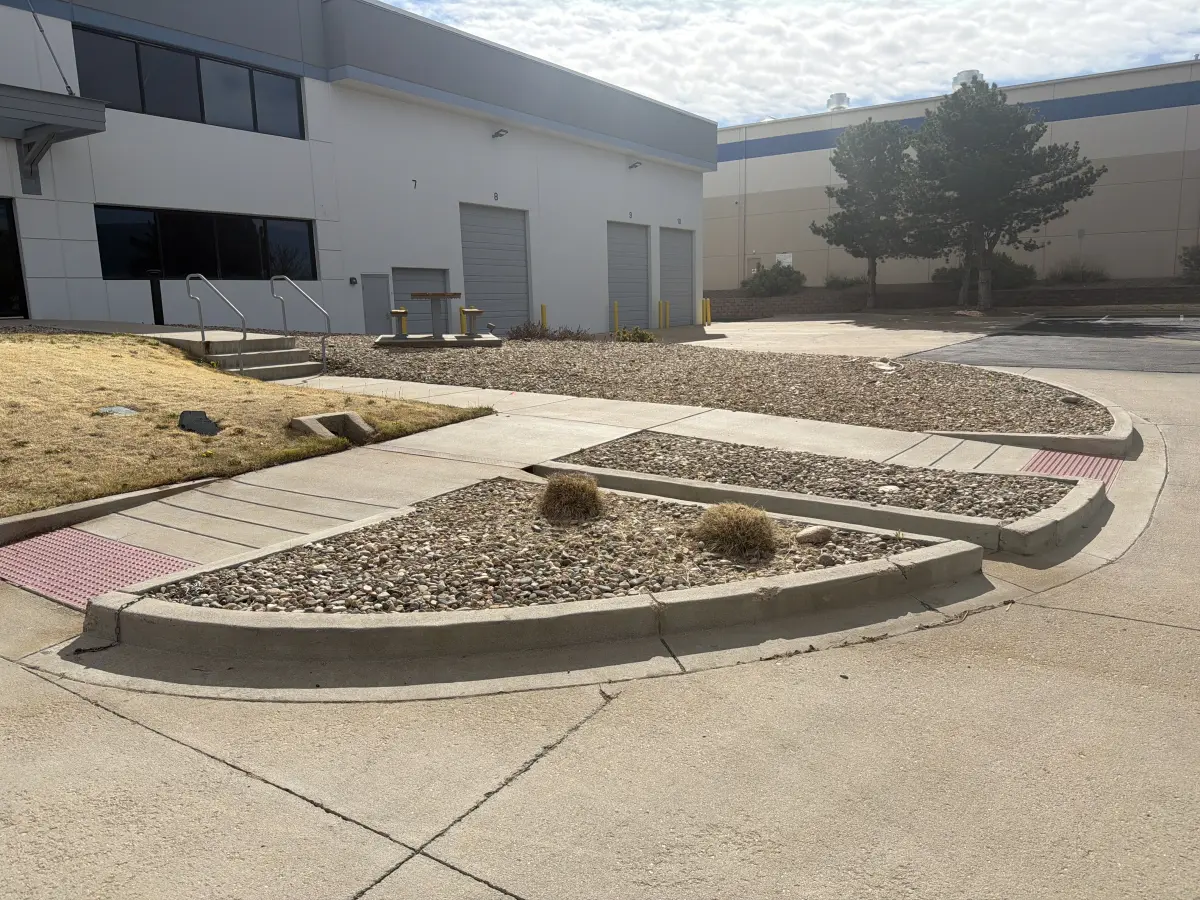
Summer along Colorado's Front Range is a demanding season for landscapes. Temperatures regularly exceed 90 degrees, afternoon thunderstorms arrive with hail and high winds, and water restrictions tighten as reservoirs drop. A property that looked pristine in May can deteriorate quickly without a structured maintenance program calibrated for Colorado's specific summer conditions.
After 50 years of maintaining commercial and residential properties across Denver Metro and Douglas County, we have learned that summer landscape health comes down to doing the right tasks at the right time. Here is the complete checklist.
June: Transition into Peak Season
June is when Colorado landscapes shift from spring growth into summer survival mode. Daytime temperatures climb into the upper 80s and low 90s, soil moisture drops rapidly between rain events, and cool-season grasses begin slowing their active growth. The decisions you make in June set the trajectory for the rest of summer.
Mowing Height and Frequency
Raise mowing height to 3 to 3.5 inches for Kentucky bluegrass and 3.5 to 4 inches for fescue blends. Taller grass shades its own root zone, reducing soil temperature and moisture loss. This single adjustment is one of the most effective heat stress strategies available.
Mow every 5 to 7 days, removing no more than one-third of the blade per cut. Cutting too short during early summer heat pushes the turf into stress response, turning it brown and making it more susceptible to insect damage and disease.
Early Summer Fertilization
Apply a light nitrogen application (0.5 to 0.75 lbs N per 1,000 sq ft) in the first two weeks of June. This supports the final push of spring growth before summer heat slows the plant's metabolism. Slow-release formulations are preferred -- they feed gradually over 6 to 8 weeks without pushing excessive top growth.
After mid-June, stop nitrogen applications until September. Heavy fertilization during July and August forces the grass to grow when it should be conserving energy, dramatically increasing water demand.
Irrigation Adjustment
Increase irrigation run times by 20 to 30 percent over May settings. June evapotranspiration rates on the Front Range average 0.20 to 0.25 inches per day -- nearly double spring rates. Confirm your controller is programmed for your local water provider's summer watering schedule, especially in Castle Rock and other Douglas County communities with strict day-of-week designations.
Weed Management
June is the last effective window for post-emergent broadleaf weed control. Spot-treat dandelions, clover, bindweed, and other broadleaf weeds before temperatures exceed 85 degrees. Most herbicides become less effective and more likely to damage turf when applied above 85 degrees.
July: Peak Heat Management
July is the most challenging month for Colorado landscapes. Average high temperatures in Denver reach 90 to 95 degrees, afternoon thunderstorms bring localized hail, and water providers typically enforce their strictest conservation measures.
Stress Monitoring
Walk the property weekly and check for signs of heat stress: footprinting (grass stays flat after walking on it), blue-gray color shift, and leaf blade curling. These are early warnings that the turf is not getting adequate moisture or that root systems are compromised.
On commercial properties, pay particular attention to south-facing slopes, areas adjacent to parking lots and buildings (radiant heat), and sections near downspouts where soil compaction reduces water infiltration.
Mowing Adjustments
During extended heat waves (5 or more consecutive days above 90 degrees), consider extending the mowing interval to 7 to 10 days and raising the mowing height by an additional half inch. Mowing stressed turf on a tight schedule compounds the damage. The grass needs recovery time between cuts when temperatures are extreme.
Tree and Shrub Care
July is when newly planted trees and shrubs are most vulnerable. Deep-water trees every 10 to 14 days -- standard sprinkler coverage does not reach tree root depth. A slow-drip application of 10 to 15 gallons per inch of trunk diameter, delivered over 2 to 3 hours, is more effective than frequent shallow watering.
Monitor for spider mite activity on evergreens and ornamental shrubs. Spider mites thrive in hot, dry conditions and can defoliate a plant before visible damage becomes obvious. Shake a suspect branch over white paper -- if tiny moving dots appear, mites are present.
Storm Damage Response
Colorado's afternoon thunderstorms routinely produce hail, high winds, and heavy rain in concentrated bursts. After any significant storm event, inspect the property for broken tree limbs, damaged plantings, displaced mulch, and irrigation damage. Broken limbs should be properly pruned back to a lateral branch or collar -- not left as jagged stubs that invite disease.
August: Preparing for Recovery
August is a transition month. The worst heat is typically behind the property by mid-August, monsoon moisture increases afternoon rain frequency, and days begin to shorten noticeably. Smart maintenance in August sets up strong fall recovery.
Pre-Aeration Assessment
Walk high-traffic areas and test soil compaction with a screwdriver or soil probe. If the probe does not penetrate easily to 4 inches, the area needs core aeration in September. Mapping compaction zones now lets you plan the fall aeration schedule before the booking window fills up.
Irrigation Reduction
Reduce irrigation run times by 10 to 15 percent from peak July settings by mid-August. Shorter days mean lower evapotranspiration demand, and monsoon moisture supplements sprinkler coverage. Continuing to water at July rates through August wastes water and can promote fungal disease as overnight temperatures begin to moderate.
Mulch Assessment
Check mulch depth in landscape beds. Spring-applied mulch that has decomposed below 2 inches should be topped up before fall. Thin mulch going into September means weaker insulation for root systems during the first cold snaps.
Late-Season Pruning
Prune dead, damaged, or diseased branches from trees and shrubs. Avoid heavy structural pruning -- save that for late winter dormancy. Late-summer pruning should be limited to removing problem branches and shaping hedges that have grown leggy during the season.
September: Transition to Fall Maintenance
September is the most important month for lawn recovery along the Front Range. Cool nights, shorter days, and the last warm soil temperatures create ideal conditions for root development.
Core Aeration and Overseeding
Schedule core aeration for early to mid-September. Aerate when the soil is moist but not saturated -- two days after a rain event or irrigation cycle is ideal. Follow immediately with overseeding to fill thin spots and improve turf density before winter.
Fall Fertilization
Apply 1 to 1.5 lbs N per 1,000 sq ft in mid-September. This is the most important fertilization of the year for cool-season grasses. The nitrogen drives root growth and carbohydrate storage that carries the turf through winter and powers early spring green-up.
Irrigation Winterization Planning
Begin reducing irrigation run times by 20 percent per week through September. Most systems along the Front Range should be blown out and winterized by mid-October, but the schedule depends on elevation and frost exposure. Properties in Highlands Ranch and Lone Tree can typically run later than properties in Castle Rock or Monument due to elevation differences.
Common Summer Mistakes That Cost Money
Mowing Too Short
Scalping turf in summer is the single most damaging maintenance mistake. It exposes soil to direct sun, increases evaporation by up to 50 percent, and weakens root systems. Every mowing deck should be set to 3 inches or higher from June through September.
Ignoring Irrigation Leaks
A single broken lateral line can waste 500 to 1,000 gallons per day. On commercial properties with multiple zones, leaks often go unnoticed for weeks. Monthly irrigation inspections catch problems before they become expensive water bills.
Pruning at the Wrong Time
Heavy pruning during July and August heat stresses plants severely. Save structural pruning for dormant season. Summer pruning should be limited to removing dead wood, storm damage, and light shaping.
Skipping Soil Testing
Colorado soils are alkaline (pH 7.5 to 8.5) and often deficient in iron and sulfur. Applying fertilizer without knowing your soil conditions leads to wasted product and persistent nutrient deficiency symptoms like chlorosis. Test soil every 2 to 3 years and amend based on results.
Frequently Asked Questions
How often should I mow my lawn in Colorado summer?
Mow every 5 to 7 days during peak summer growth (June through August). Never remove more than one-third of the grass blade per mowing. During heat waves or drought restrictions, extend the mowing interval to 7 to 10 days and raise your mowing height by half an inch.
Should I fertilize my lawn in summer in Colorado?
Light fertilization in early June is appropriate for cool-season grasses along the Front Range. Avoid heavy nitrogen applications after mid-June -- they push top growth during heat stress and increase water demand. The primary fertilization windows for Colorado lawns are April to May and September to October.
When should I prune shrubs in Colorado?
Spring-flowering shrubs like lilac and forsythia should be pruned immediately after they finish blooming in late May to early June. Summer-flowering shrubs can be pruned in late winter or early spring. Avoid heavy pruning during July and August heat -- stressed plants recover poorly from aggressive cuts.
Professional Summer Maintenance from JLS
Managing a landscape through a Colorado summer requires consistent attention, proper timing, and knowledge of how local conditions affect every maintenance decision. Our landscape maintenance programs cover every task on this checklist -- mowing, fertilization, irrigation management, pruning, weed control, and storm response -- on a schedule calibrated to Front Range conditions.
Call 303-791-9121 or request a free consultation to get your property on a professional maintenance program before peak summer arrives.