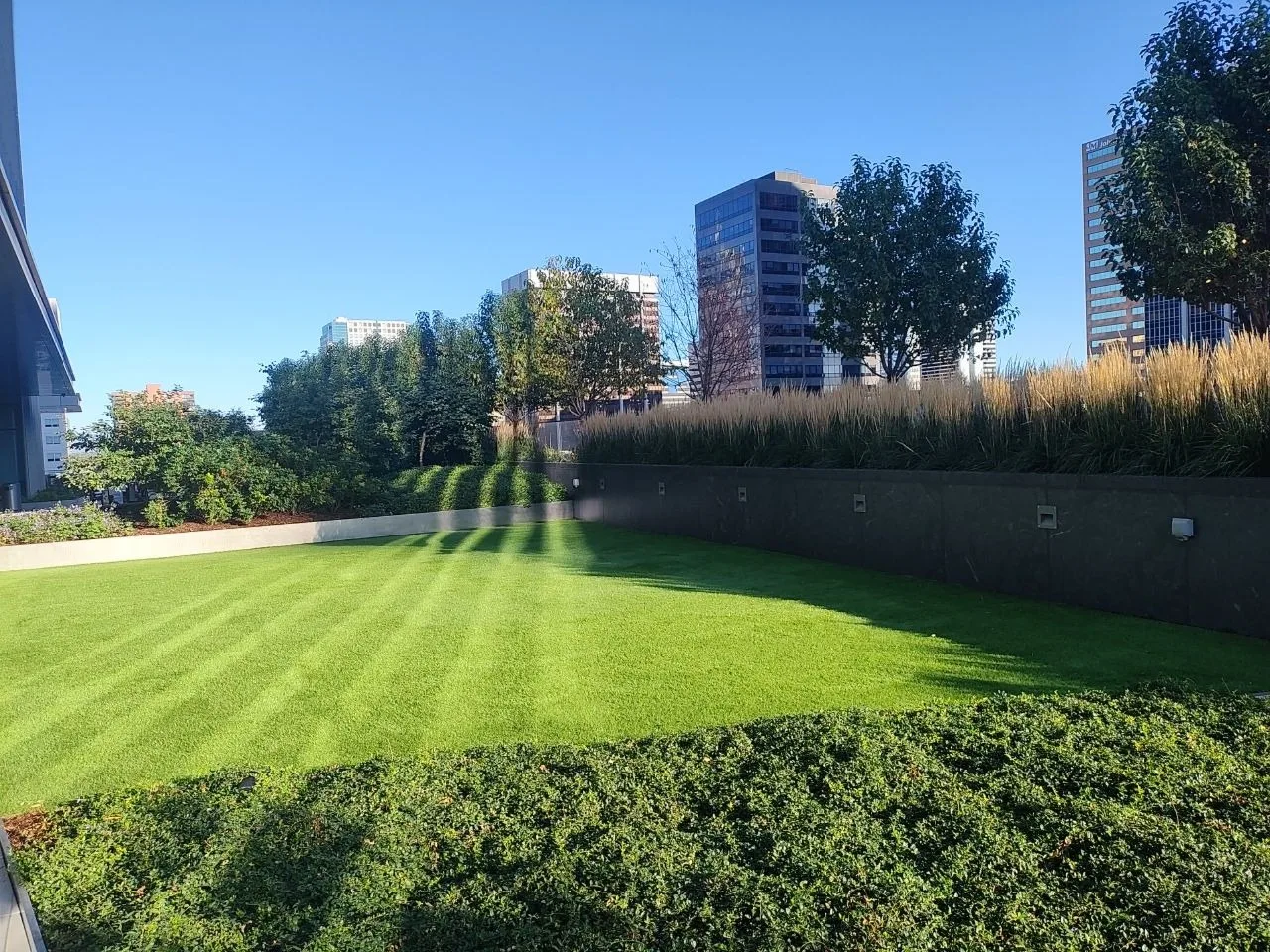
Fertilization Services in Colorado
Custom fertilization programs built for Colorado's alkaline soils, intense UV, and semi-arid climate. Healthier turf with less water waste across Douglas County and the Denver Metro area.
Why Generic Fertilizer Programs Fail in Colorado
Colorado's soils are fundamentally different from the rest of the country. Most national lawn care programs are designed for acidic soils with adequate rainfall -- the exact opposite of what exists along the Front Range.
The typical Douglas County soil tests at pH 7.5 to 8.5, which is moderately to strongly alkaline. At these pH levels, essential micronutrients like iron, manganese, and zinc become chemically locked in the soil, unavailable to grass roots even when present in adequate quantities. This is why Colorado lawns develop iron chlorosis -- that distinctive yellowing between leaf veins -- despite receiving plenty of water and standard fertilizer applications. More nitrogen won't solve a micronutrient lockout problem. In fact, excess nitrogen in alkaline soil can make chlorosis worse.
JLS Landscape & Sprinkler has been managing turf in Douglas County's alkaline soils since 1975. Our fertilization programs start with soil conditions, not product labels. We select formulations with chelated micronutrients that remain plant-available in high-pH soils, use slow-release nitrogen sources that feed turf over weeks rather than burning it in days, and time applications to match Colorado's actual growing season -- not a national calendar designed for the Midwest.
Our Pesticide QS qualified applicators are licensed through the Colorado Department of Agriculture and follow all state regulations for commercial fertilizer and pesticide application. For HOAs and commercial property managers who need documentation for compliance, we provide detailed application records including product names, rates, and weather conditions at the time of service.
Colorado Fertilization Schedule
Our multi-step programs are designed around Colorado's actual growing season at 5,500 to 6,500 feet elevation.
Early Spring (April)
A balanced slow-release application with pre-emergent crabgrass control. Timed as soil temperatures reach 55 degrees -- typically two to three weeks later than Denver at higher Douglas County elevations. This application feeds roots emerging from dormancy without pushing top growth too aggressively before consistent warm temperatures arrive.
Late Spring (May-June)
Nitrogen-focused application to support the primary growth period. Includes broadleaf weed control for dandelions, bindweed, and clover that thrive in Colorado's alkaline conditions. Iron supplements added where chlorosis is present to restore deep green color.
Early Fall (September)
The recovery application after summer heat stress. Colorado's cool-season grasses enter a second growth phase as temperatures drop below 85 degrees. This is the best time for overseeding, which we coordinate with aeration services for maximum seed-to-soil contact.
Late Fall (October-November)
The most important application of the year. A high-potassium winterizer formula strengthens cell walls, builds root reserves, and improves cold tolerance before dormancy. Turf that receives a proper winterizer application greens up faster in spring and resists snow mold through Colorado's long winter months.
What Sets Our Fertilization Apart
JLS doesn't apply the same product to every property. Our approach starts with understanding your soil, your turf species, and your water situation.
- Soil-tested formulations: We test pH and nutrient levels to determine exactly what your turf needs rather than guessing with generic products
- Chelated micronutrients: Iron, manganese, and zinc in chelated forms that remain available in Colorado's alkaline soils where standard forms lock up
- Slow-release nitrogen: Professional-grade products that feed turf over 8-12 weeks, preventing the burn-and-fade cycle of quick-release fertilizers
- Water-conscious timing: Applications scheduled around irrigation cycles and water restrictions so product reaches the root zone efficiently
- Integrated pest management: Weed and insect controls targeted to actual problems rather than blanket applications
- Licensed applicators: Colorado Department of Agriculture certified with proper training, equipment, and insurance
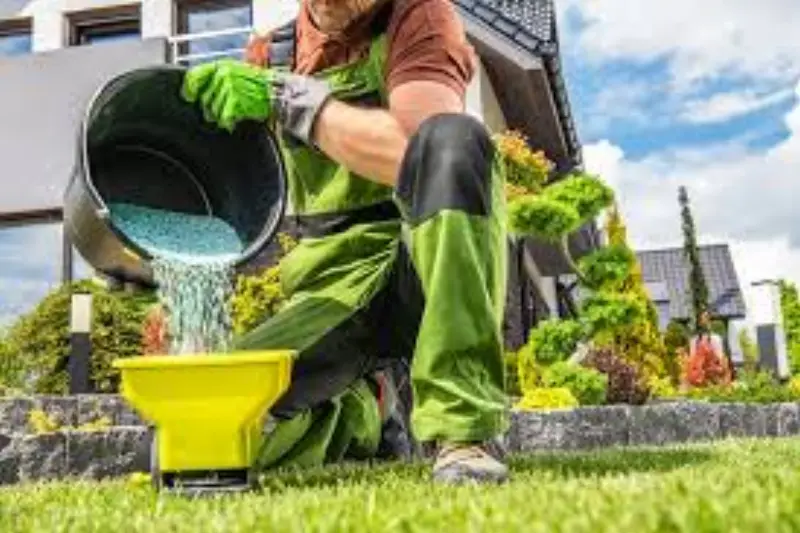
Fertilization FAQ
Colorado's cool-season grasses benefit from fertilization in early spring (April), late spring (May-June), early fall (September), and late fall (October-November). The late fall application is the most important -- it feeds root development through winter and gives your lawn a strong start the following spring. At elevations above 6,000 feet like Castle Rock and Sedalia, adjust timing two to three weeks later than Denver-area schedules.
In Colorado, yellowing turf is often caused by iron chlorosis rather than under-watering. Colorado's naturally alkaline soils (pH 7.5-8.5) lock up iron, preventing grass roots from absorbing it even when iron is present in the soil. A soil test confirms the issue, and targeted iron sulfate or chelated iron applications green up the turf without adding unnecessary nitrogen. Contact JLS at 303-791-9121 for a soil assessment.
Modern granular fertilizers are safe once watered in and dried. JLS uses professional-grade products and follows all Colorado Department of Agriculture guidelines for commercial application. We recommend keeping pets and children off treated areas until the product has been watered in and the turf is dry -- typically 24 hours after application.
Costs depend on property size, soil conditions, and the number of applications in your program. JLS offers multi-application seasonal programs that provide better results and better value than single treatments. Contact us at 303-791-9121 for a property assessment and program quote.