
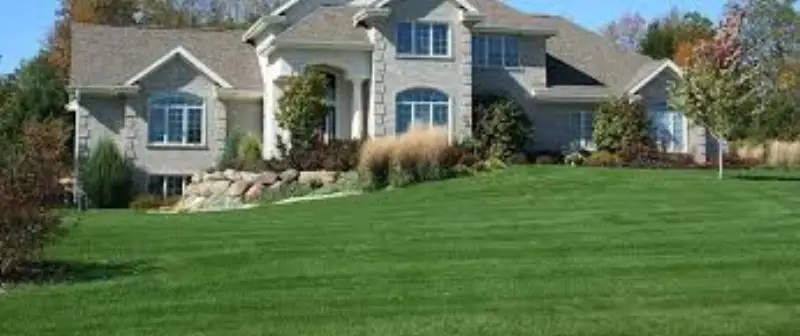
Booking landscape maintenance is easier when the conversation starts with the property rather than a package name. A Denver Metro yard may combine turf, planting beds, mature shrubs, rock areas, slopes, narrow gates, irrigation zones, and spaces governed by HOA standards. Each detail can change the work and the schedule.
The eight questions below reflect the issues homeowners most often need to resolve before choosing recurring care. They are designed to help you compare proposals on the same terms and decide whether the plan fits both the landscape and the way you use it.
1. What Does Landscape Maintenance Include?
Landscape maintenance can describe anything from lawn-only service to coordinated care for turf, beds, shrubs, edges, and seasonal cleanup. A recurring agreement may include mowing, edging, turf and planting-bed care, pruning, weed management, and debris removal. Other work—such as aeration, fertilization, or a mulch or rock refresh—may follow a separate schedule.
Ask for the maintained areas, task frequency, and exclusions in writing. That keeps a side yard, slope, back gate, or less-visible bed from becoming an assumption. JLS outlines the broader range of recurring work on its landscape maintenance service page.
2. How Often Should My Property Be Serviced?
There is no useful one-frequency answer for every home. Turf growth, bed standards, mature plant material, shade, property use, and appearance expectations all matter. The right cadence can also change as active growth gives way to summer heat, leaf season, and winter preparation.
A clear proposal separates tasks performed at each visit from seasonal or condition-based work. Ask how weather changes are communicated, whether the visit schedule shifts during slower growth, and how unfinished work is handled.
3. Is $100 an Hour Too Much for Landscape Work?
An hourly figure by itself cannot answer whether the work is a good value. Crew size, equipment, travel, disposal, access, task complexity, and the amount completed in an hour can vary. A lower rate can cost more if the scope is vague or the work takes longer; a higher rate is not automatically evidence of better results.
Compare a written scope, expected outcome, exclusions, and approval process alongside the rate or total estimate. If pricing is recurring, ask which seasonal tasks are included and which require a separate authorization. That provides a better comparison than an hourly number alone.
4. How Do I Compare Reputable Landscape Maintenance Companies?
Begin with a property walkthrough. The company should be able to identify the areas under discussion and explain how the proposed schedule connects to the work. Ask for a written scope, communication process, change-approval terms, and clarification of insurance appropriate to the service.
Pay attention to whether the questions are specific: gate access, pets, irrigation concerns, drainage symptoms, HOA requirements, sensitive plants, and priority areas. Detailed questions do not guarantee a perfect fit, but they make it easier to see whether the proposal was built for your property.
5. Will Maintenance Visits Address Irrigation Problems?
Landscape and irrigation performance are closely connected, but observation is not always the same as diagnosis or repair. A maintenance visit may reveal dry patches, overspray, runoff, persistently wet soil, or a damaged sprinkler head. Ask how those issues are reported, who authorizes added work, and whether repairs are handled under a separate service.
If the property already has uneven coverage, leaks, controller concerns, or damaged components, raise them during the walkthrough. JLS provides separate irrigation service and repair for system concerns that need troubleshooting.
6. What Is the Most Low-Maintenance Landscaping?
No landscape is maintenance-free. A lower-input plan often comes from matching the layout and materials to the site: appropriately placed plants, right-sized turf areas, efficient irrigation zones, and durable mulch or rock where those choices fit. Even then, weeds, plant growth, irrigation checks, debris, and seasonal cleanup still need attention.
Before replacing turf or changing materials, consider sun exposure, drainage, slopes, foot traffic, pets, and neighborhood requirements. A landscape contractor can help distinguish a design change from a recurring maintenance need.
7. What Denver Metro Conditions Should the Plan Account For?
Properties across the metro area do not perform identically. Sun and wind exposure, elevation, slope, soil condition, mature trees, drainage, and irrigation coverage can differ even within the same neighborhood. Outdoor watering rules may also vary by local water provider.
Ask how the service plan will respond when growth or water demand changes instead of assuming every visit should look the same. For regional coverage and nearby service paths, review the Denver Metro service area and JLS’s dedicated Denver Metro landscape maintenance page.
8. What Should I Settle Before the First Visit?
Confirm the service areas, access instructions, visit cadence, start timing, and approval process before work begins. Point out pets, locked gates, irrigation or drainage symptoms, HOA standards, sensitive plants, and any areas that should not be serviced. Separate immediate correction work from the recurring tasks you want maintained over time.
A good final check is simple: can you tell what happens regularly, what happens seasonally, what is excluded, and whom to contact when conditions change? If those answers are clear, the agreement is easier to use after the first visit—not just easier to sign.
Ready to Discuss Your Denver Metro Property?
JLS Landscape & Sprinkler provides landscape maintenance for homes and other properties across Denver Metro and Douglas County. To discuss your property, visit the contact page or call 303-791-9121.