
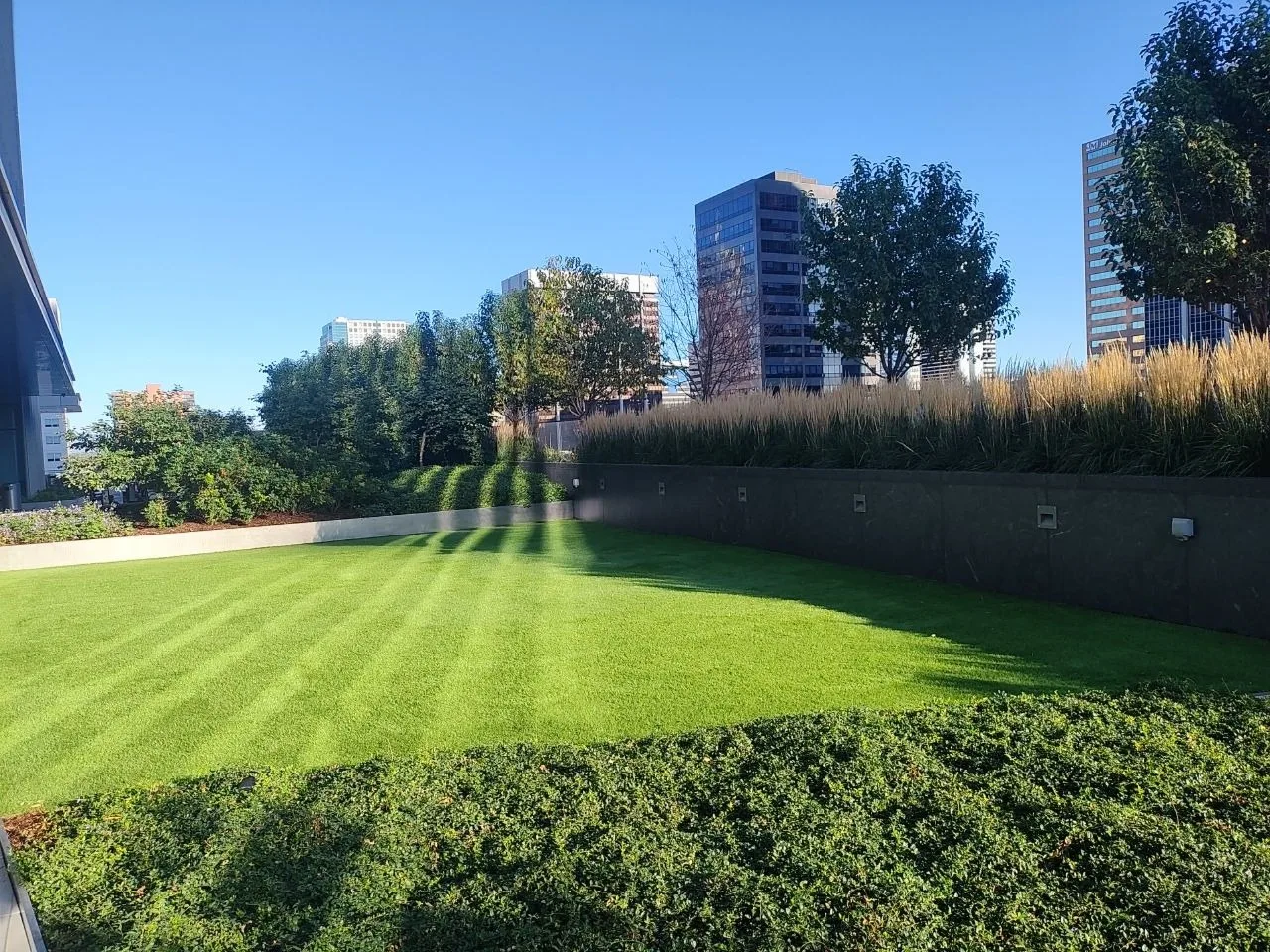
A straightforward residential lawn fertilization visit is often completed in less than an hour, while a large commercial site or HOA can take several hours. The exact application time depends on turf area, access, slopes, obstacles, and whether the visit includes weed treatment or other targeted work.
That is only the first answer. When people ask how long fertilization takes, they may also mean how long the lawn must remain undisturbed, how soon nutrients become available, or when the grass will look greener. Those are separate timelines, and treating them as one can lead to unnecessary watering, mowing, or a second application before the first has had time to work.
Four Fertilization Timelines to Keep Separate
- Application time: how long it takes to measure, prepare, and evenly cover the turf.
- Watering and drying time: how long the treated area needs before normal foot traffic, pets, or mowing can resume.
- Nutrient-release time: how quickly the product begins making nutrients available to the root zone.
- Visible-response time: when you may notice changes in color, growth, or density.
A professional fertilization program should identify which of those timelines applies to your treatment. Product type, weather, soil moisture, turf condition, and season all matter.
How Long the Application Itself Takes
A small, open lawn is faster to treat than the same square footage divided among a front yard, side yards, narrow gates, slopes, islands, and fenced areas. Commercial properties add another layer: crews may need to work around parked vehicles, pedestrian routes, courtyards, loading areas, and irrigation schedules.
The visit can also include more than spreading product. A careful application may require checking the turf area, confirming the correct rate, calibrating equipment, protecting hard surfaces and planting beds, spot-treating problem areas, and cleaning stray granules from walks or pavement. Those steps take time, but even coverage is more important than finishing a few minutes faster.
If you need a scheduling estimate, share the approximate turf area and mention gates, slopes, separate lawn zones, and access limits. For a commercial or HOA site, a marked plan of the maintained turf makes the conversation more accurate.
How Soon Fertilizer Starts Working
Fertilizer can begin releasing nutrients before you see a visible change. Quick-release and slow-release products are designed for different response patterns. A quick color change is not always the goal; a slow-release application may feed turf over many weeks and avoid a short burst of top growth.
During active growth, a visible response may appear within one to three weeks. Cool soil, dormancy, drought stress, or poor irrigation coverage can stretch that window. In fall, the most useful response may be happening below the surface as turf stores energy and supports root growth rather than producing dramatic new blades.
Denver Metro and Douglas County do not share one identical growing calendar. Elevation and exposure can shift soil warming, dormancy, and watering needs from one property to another. That is why the application date should follow actual site conditions rather than a fixed national schedule.
What to Do After Fertilization
Follow the instructions provided for the specific treatment. Granular fertilizer commonly needs irrigation to move nutrients off the leaf surface and toward the root zone. A liquid application or a visit that includes weed control may come with different watering and traffic directions.
- Keep people and pets off the lawn until the stated watering and drying steps are complete.
- Do not mow simply because the application is finished; follow the timing guidance for the product used.
- Avoid sweeping or washing fertilizer into streets, gutters, or storm drains. Keep stray material on the turf where it can be used.
- Check that irrigation reaches the full treated area without pooling or running off pavement.
- Wait for the expected response window before assuming the lawn needs more product.
If heads are clogged, misaligned, or leaving dry zones, correct the coverage problem before judging the fertilizer. JLS provides irrigation service and repair for systems that are not distributing water evenly.
What Can Delay Visible Results?
Fertilizer supplies nutrients; it cannot correct every cause of thin, pale, or slow-growing turf. A lawn may respond slowly when the root zone is dry, compacted, heavily thatched, or too cold for active growth. Uneven sprinkler coverage may create green and yellow bands that resemble a fertilizer problem. Soil chemistry can also make nutrients less available even when they are present.
Before adding more fertilizer, look at the pattern. A single dry strip may point to irrigation. Heavy foot traffic and hard soil may make core aeration more useful. Uniform pale color across the lawn may call for a closer look at nutrition or soil conditions. Reapplying too early can waste product and increase the chance of runoff or turf stress.
How Fertilization Timing Fits a Colorado Maintenance Plan
One application is a short appointment; healthier turf is a seasonal process. Spring treatment supports active growth after dormancy. Summer decisions should account for heat and water demand. Early fall often supports recovery, while a later application can help prepare cool-season turf for winter.
The right timing depends on the lawn rather than the calendar alone. Properties throughout the Denver Metro service area and Douglas County vary in elevation, sun, irrigation performance, turf use, and soil condition. Those differences affect both how quickly the work can be completed and how the lawn responds afterward.
Lawn Fertilization FAQs
How long does it take to fertilize a lawn?
A straightforward residential lawn application is often completed in less than an hour. Large commercial sites, HOA common areas, steep ground, gated spaces, and properties with many separate turf zones can take several hours. The useful estimate depends on the measured turf area and the work included.
How long does lawn fertilizer take to work?
Fertilizer begins releasing nutrients before the lawn looks different. During active growth, a visible color or growth response may appear within one to three weeks. Slow-release products work gradually and may feed turf for many weeks, so immediate color is not the best measure of a successful application.
How long should people and pets stay off a fertilized lawn?
Follow the instructions provided for the specific product and application. The waiting period can differ for granular fertilizer, liquid fertilizer, and applications that include weed control. Keep people and pets away until the stated watering and drying steps are complete.
Should I water after lawn fertilization?
Many granular fertilizers need irrigation to move nutrients off the leaf surface and toward the root zone, while other treatments have different instructions. Confirm the watering direction for the specific application instead of assuming every product should be handled the same way.
Why is there no visible improvement after fertilization?
Cold or dormant turf, dry soil, uneven irrigation, compacted ground, thatch, root damage, or a nutrient-availability problem can delay or limit the visible response. More fertilizer is not automatically the answer; the lawn may need an irrigation check, soil evaluation, aeration, or another corrective step.
Request a Fertilization Quote
JLS Landscape & Sprinkler provides fertilization as part of landscape care for residential and commercial properties across Denver Metro and Douglas County. Request a fertilization quote and share your property address, approximate lawn area, irrigation concerns, and any thin or discolored turf you have noticed. You can also call 303-791-9121.