Fall Cleanup Services in Colorado
Comprehensive fall cleanup that removes leaves, prepares beds for winter, completes final mowing, and sets your property up for a clean spring. Serving Douglas County and the Denver Metro area.
Why Fall Cleanup Is Critical in Colorado
Fall cleanup in Colorado is not just about leaves. It's about preparing your entire landscape to survive five to six months of freeze-thaw cycling, heavy snow loads, Chinook winds, and the dry conditions that stress trees and shrubs between October and April.
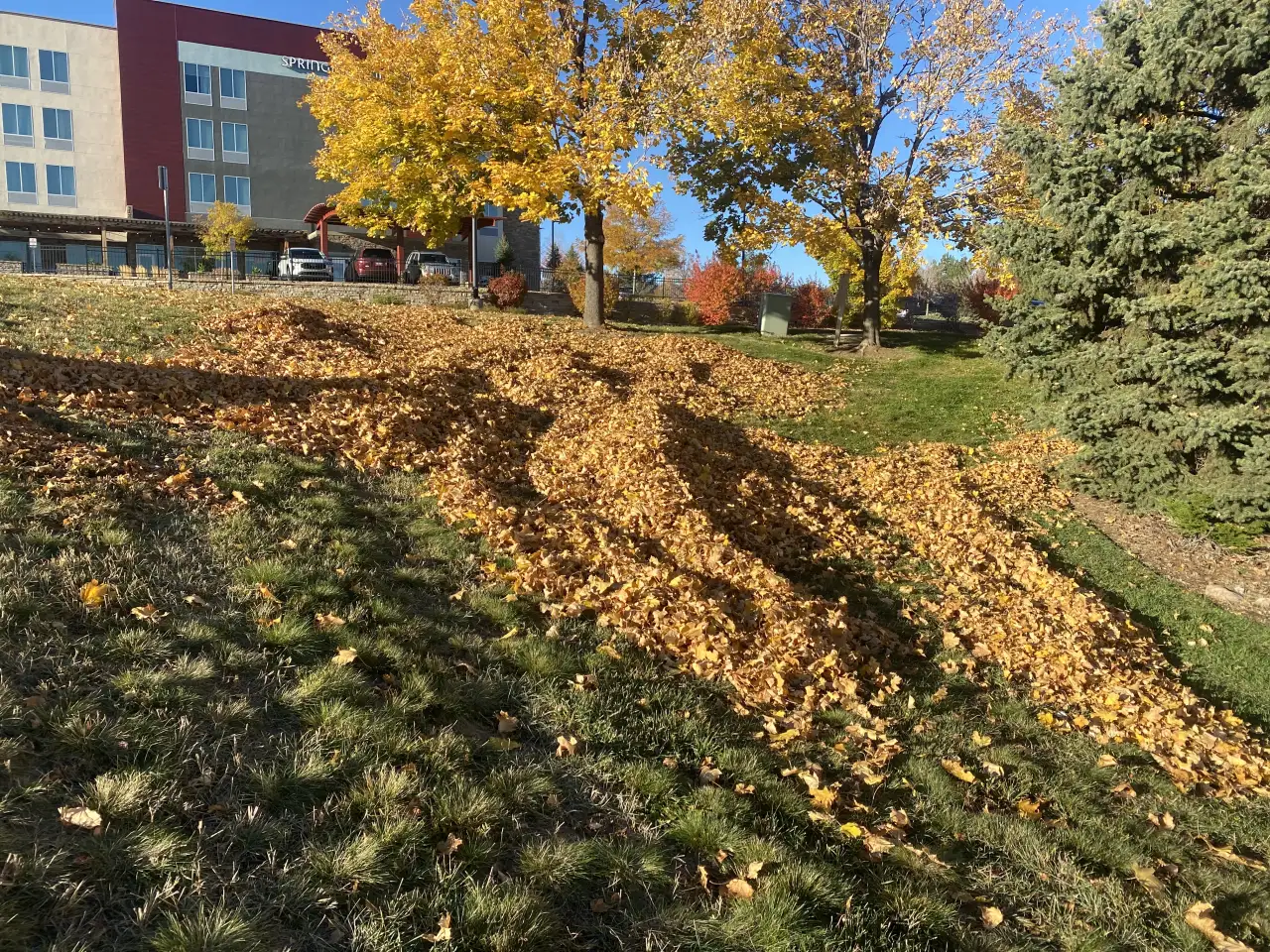
Leaves left on turf through winter create a wet mat that blocks sunlight and air circulation, promoting snow mold -- a fungal disease that damages or kills grass crowns under snow cover. Uncut perennials and ornamental grasses collect snow and ice that can snap stems and damage root crowns. Beds left unprepared accumulate wind-blown debris that is harder to remove after months under snowpack. And irrigation systems that aren't properly winterized before the first hard freeze suffer cracked mainlines, burst fittings, and damaged backflow preventers.
JLS Landscape & Sprinkler provides comprehensive fall cleanup for commercial properties, HOA common areas, and residential landscapes across Castle Rock, Parker, Highlands Ranch, Lone Tree, Littleton, and Sedalia. Our fall cleanup service transitions your property from growing season to winter mode systematically, ensuring every detail is addressed before the first significant snowfall. For commercial accounts, a clean fall transition also means less debris and damage to manage come spring cleanup.
Our Fall Cleanup Process
JLS handles every aspect of fall property preparation in one coordinated visit or series of visits depending on property size.
- Leaf removal: All leaves cleared from turf, beds, walkways, parking areas, and drainage features using professional blowers and vacuum equipment
- Final mowing: Last mow at 2.5 to 3 inches to discourage snow mold while maintaining enough blade height to protect crowns
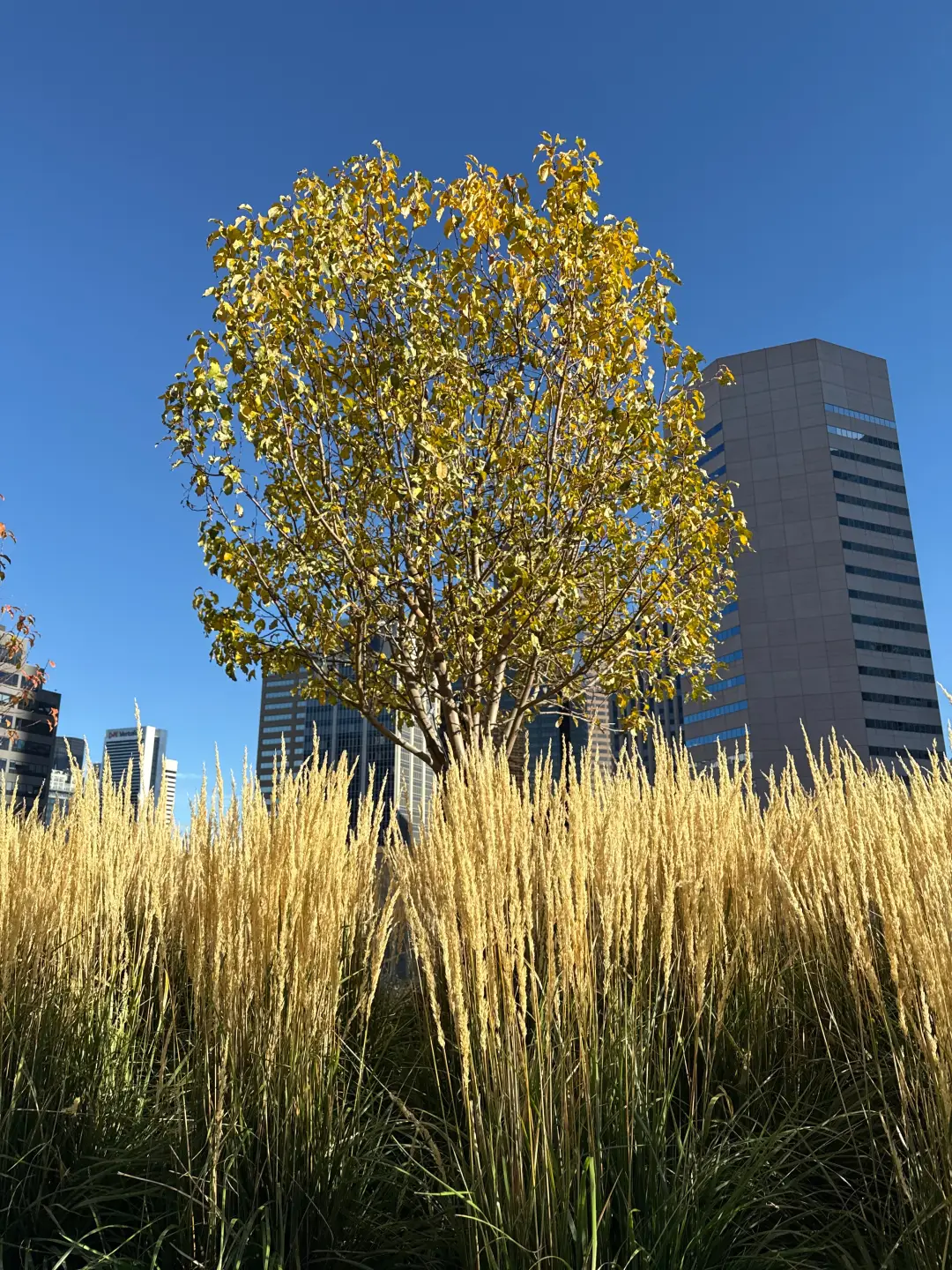
- Perennial cutback: Ornamental grasses and spent perennials cut back to appropriate heights for winter dormancy
- Bed edging & cleanup: Beds re-edged, debris removed, and mulch topped off where needed for winter insulation
- Tree and shrub pruning: Dead, damaged, and crossing branches removed before snow loading adds weight and causes breakage
- Winterizer fertilization: Late-fall fertilizer application to build root reserves and cold tolerance through winter
- Irrigation winterization: Full system blowout using compressed air to remove all standing water from pipes, heads, and valves
Fall Cleanup FAQ
Most Douglas County properties need fall cleanup between mid-October and mid-November. Leaf drop timing varies by species and elevation, but the goal is to complete all cleanup before the first persistent snow -- typically late October or early November at 6,000+ feet. Irrigation winterization should be completed by mid-October regardless of leaf drop timing.
No. A layer of wet leaves under snow creates ideal conditions for snow mold, which damages or kills grass crowns. A thin layer of finely mulched leaves from a mulching mower is acceptable, but whole leaves should be removed. The exception is natural areas and native plant beds where leaf litter provides beneficial mulch and habitat.
Yes, and we recommend it. JLS coordinates fall cleanup with irrigation winterization to handle both in one mobilization when possible. This saves time and ensures your entire property is buttoned up for winter in a single coordinated effort.