Landscaping & Fire Mitigation in Conifer, CO
JLS Landscape & Sprinkler provides fire mitigation, mountain-adapted landscape maintenance, and snow management for Conifer's high-elevation properties. Approximately 35 minutes west of our Sedalia office on US-285.
Mountain Landscape & Fire Mitigation at 8,200 Feet
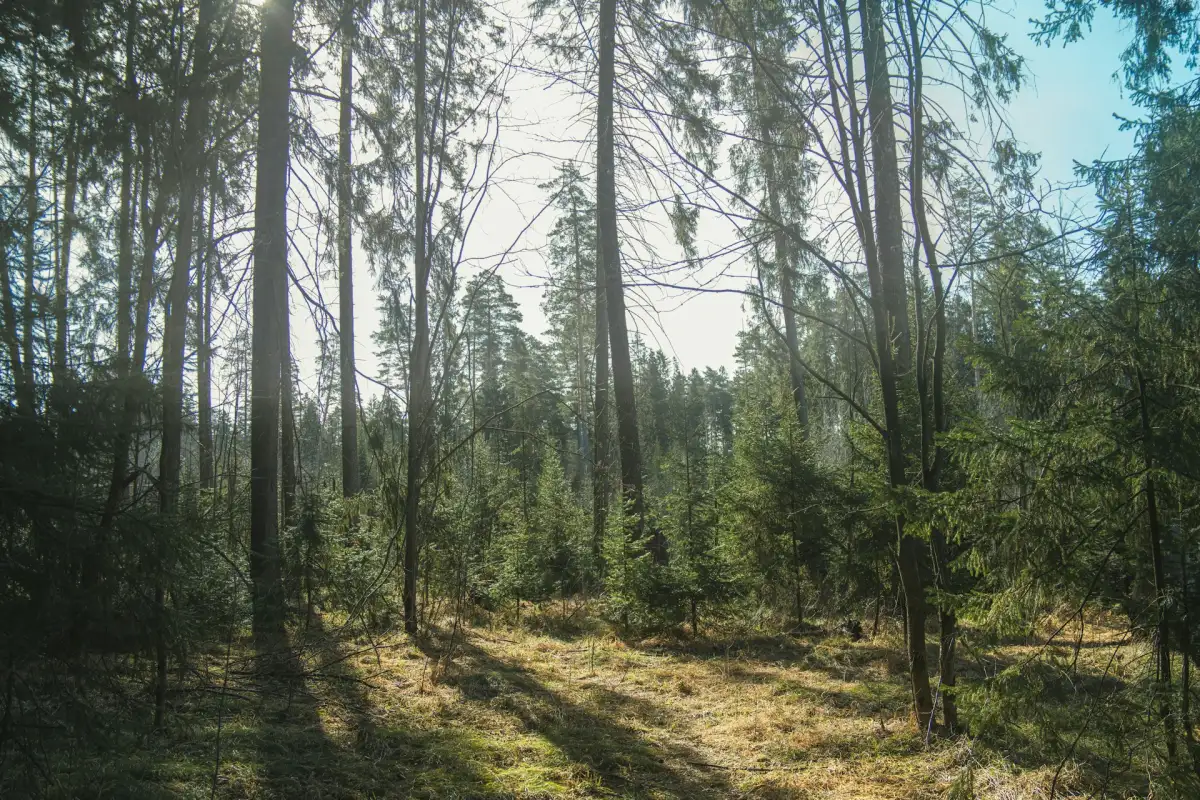
Conifer is an unincorporated mountain community in Jefferson County, nestled along the US-285 corridor in the foothills west of Denver. With a population of approximately 9,000 residents spread across large, heavily forested lots, Conifer is the gateway to Colorado's high country — and by far the highest-elevation community in the JLS service area at roughly 8,200 feet.
This elevation changes everything about landscaping. The growing season is extremely short — mid-May to early September in a good year. Soils are thin, rocky, and acidite over decomposed granite. Most properties are on well water with limited capacity. Deer, elk, and other wildlife browse relentlessly on plantings. And above all, wildfire risk is extreme — Conifer sits deep in the wildland-urban interface, surrounded by dense ponderosa pine and Douglas fir forest. The 1996 Buffalo Creek Fire burned 12,000 acres just to the southwest.
JLS brings over 50 years of Colorado landscape experience to Conifer's unique challenges. Our primary service here is fire mitigation — creating and maintaining the defensible space that protects homes and gives firefighters working room. We also provide landscape maintenance adapted to mountain conditions, snow management for properties that receive 80 to 100+ inches annually, and irrigation services designed around well water limitations.
Conifer at a Glance
Population: ~9,000
Elevation: ~8,200 ft
County: Jefferson County
Status: Unincorporated (census-designated place)
Drive from JLS Office: ~35 minutes west on US-285
Climate Zone: USDA Zone 4b/5a
Key Features: Staunton State Park, Meyer Ranch Park, Conifer Junction, heavily forested ponderosa/Douglas fir
Fire Risk: Extreme — deep wildland-urban interface (WUI)
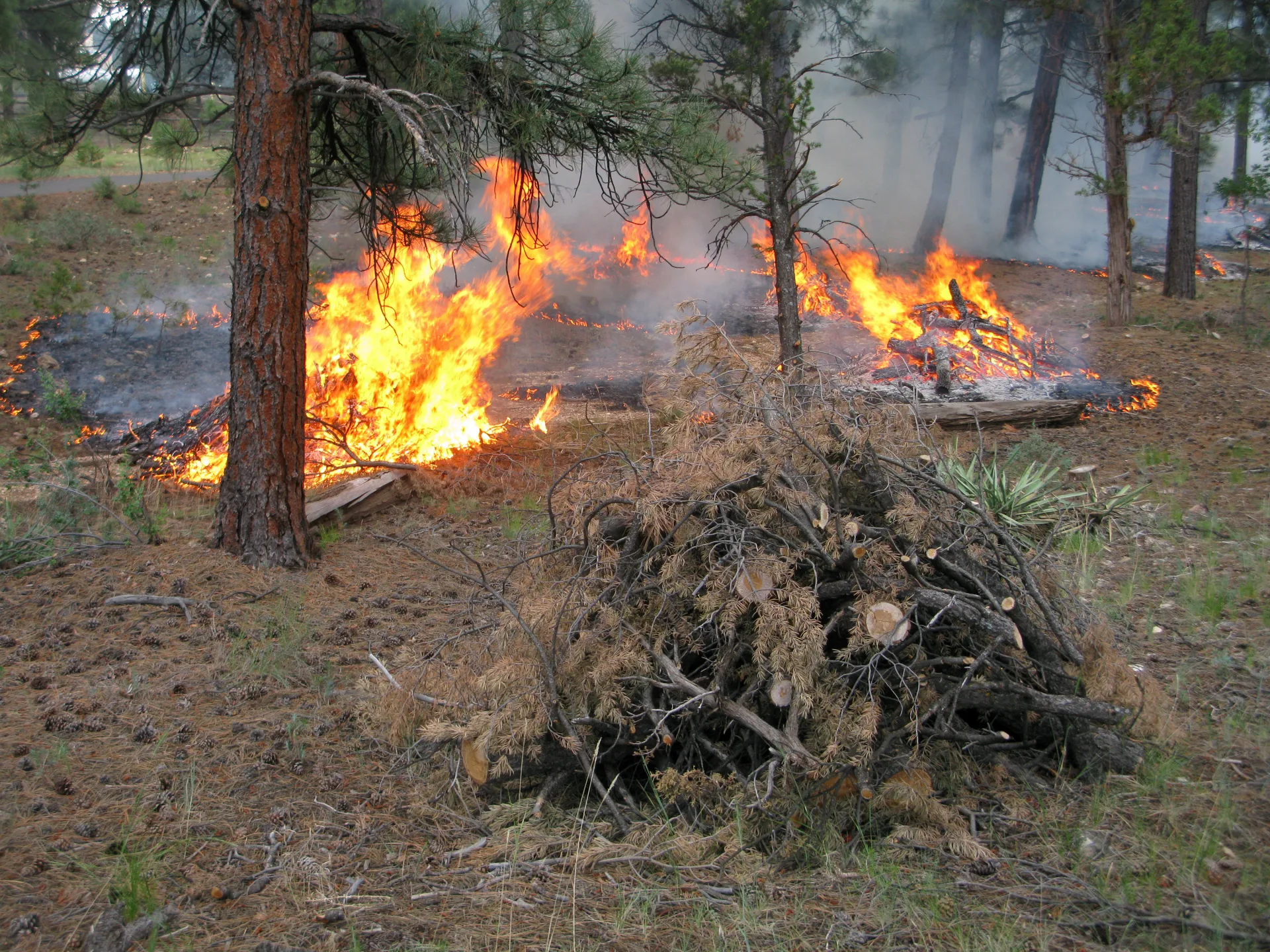
Fire Mitigation in Colorado's Most Fire-Prone Foothills
Conifer is not just in the wildland-urban interface — it is deep in the WUI, surrounded on all sides by dense coniferous forest that has not experienced a major stand-replacing fire in decades. The fuel load is enormous. Steep terrain accelerates fire spread. Large lot sizes mean more perimeter to defend. The 1996 Buffalo Creek Fire, the 2002 Hayman Fire (the largest in Colorado history at the time, burning 137,000 acres just to the south), and repeated evacuations along US-285 make the fire risk here tangible, not theoretical.
Jefferson County requires properties in the WUI to create and maintain defensible space around all structures. Many insurance companies now mandate it as a condition of coverage. JLS provides comprehensive fire mitigation services tailored to Conifer's mountain conditions:
- Zone 1 (0-15 ft): Remove all dead vegetation, space shrubs at least 2x their height apart, limb trees to 10 ft above ground, clear pine needles from roofs and gutters
- Zone 2 (15-100 ft): Thin tree canopy to 10+ ft crown spacing, remove ladder fuels (brush and low branches that carry ground fire into canopy), reduce understory density
- Zone 3 (100-200 ft): Create fuel breaks along driveways and access roads, manage undergrowth, clear dead standing timber
- Pine beetle kill removal: Dead standing ponderosa and lodgepole pine are extreme fire hazards — dry, resinous, and quick to ignite
- Fire-resistant species selection: Replace fire-prone junipers and ornamentals with low-flammability native alternatives suited to 8,200 ft
At Conifer's elevation, the fire season can extend from late spring through fall, with the greatest risk during dry, windy periods in June and again in the fall before significant snowfall. Maintaining defensible space is not a one-time project — it requires annual maintenance as vegetation regrows.
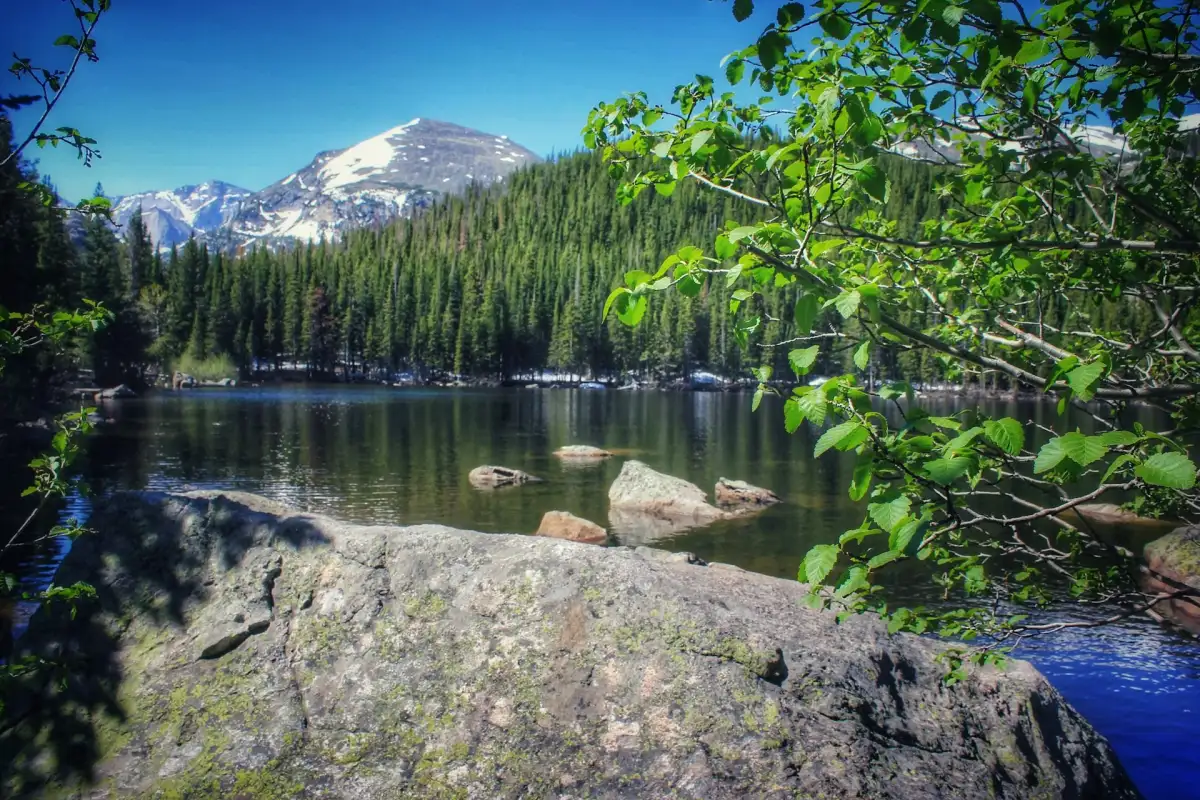
Services Available in Conifer
Landscape and property services engineered for Conifer's extreme elevation, heavy snowfall, steep terrain, and critical fire risk.
Fire Mitigation
Defensible space creation and maintenance for Conifer's extreme WUI exposure. Tree thinning, ladder fuel removal, pine beetle kill clearance, and fire-resistant replanting at 8,200 ft.
Landscape Maintenance
Mountain-adapted maintenance for Conifer's short growing season: native species management, pine needle cleanup, erosion control on steep slopes, and shade-tolerant plantings under dense canopy.
Snow & Ice Management
Heavy mountain snow removal for Conifer properties receiving 80-100+ inches annually. Steep driveway clearing, commercial plowing along the US-285 corridor, and ice management on shaded mountain roads.
Irrigation & Sprinkler
Well water-optimized irrigation systems for Conifer properties. Low-volume drip zones, smart controllers that account for limited well capacity, and winterization before the early mountain freeze.
Sprinkler Repair
Repair and maintenance for sprinkler systems stressed by Conifer's freeze-thaw cycles, rocky soil shifting, and wildlife damage. Spring startup, leak detection, and head replacement.
Erosion Control
Slope stabilization and drainage management for Conifer's steep terrain. Retaining solutions, native groundcover establishment, and runoff management to protect structures and driveways.
Conifer Neighborhoods & Areas
We provide fire mitigation and landscape services across Conifer's mountain neighborhoods, from the US-285 corridor to the surrounding forest communities.
Mountain Landscape Expertise From the Foothills
Conifer represents the most challenging terrain in the JLS service area — the highest elevation, the heaviest snowfall, the steepest slopes, and the most extreme fire risk. It requires a landscape contractor who understands that mountain work is fundamentally different from valley work. The species palette is different. The soil conditions are different. The equipment access is different. The stakes with fire mitigation are as high as they get.
JLS has served the foothills communities along the US-285 corridor for decades. We understand the specific challenges that come with working at 8,200 feet — from the abbreviated growing season to the logistics of getting heavy equipment up steep, unpaved mountain driveways. Our Sedalia office is approximately 35 minutes east, making us one of the closest professional landscape contractors with the expertise and equipment to handle Conifer's mountain conditions.
- 50+ years of Colorado landscape and fire mitigation experience
- Equipment rated for steep mountain driveways and unpaved roads
- Expertise in USDA Zone 4b/5a plant selection
- Jefferson County WUI defensible space compliance
- Well water irrigation design — low-volume systems that respect limited capacity
- Heavy snow management: 80-100+ inches per season
Conifer Landscaping FAQ
Jefferson County requires properties in the wildland-urban interface to create and maintain defensible space in three zones around structures: Zone 1 (0-15 feet) with minimal combustible vegetation, Zone 2 (15-100 feet) with thinned and spaced trees, and Zone 3 (100-200 feet) with managed fuel loads. At Conifer's 8,200-foot elevation, the dense ponderosa pine and Douglas fir forest creates an extreme fuel load that makes this compliance critical — not just for county regulations, but for property insurance and the safety of your home. Many insurers now require documented defensible space maintenance as a condition of coverage in high-risk areas like Conifer.
Conifer sits in USDA Hardiness Zones 4b to 5a, which limits the plant palette significantly compared to the Denver metro. Native species are the most reliable choice: kinnikinnick, mountain mahogany, native sedges, and creeping Oregon grape for ground cover; Rocky Mountain columbine, native penstemons, and yarrow for perennial color; and aspen, Colorado blue spruce, and native shrub willows for structure. We avoid non-native ornamentals that struggle with Conifer's short growing season (roughly mid-May to early September), heavy snow loads, and thin, rocky soils. All plantings are selected for both cold hardiness and low flammability to support fire mitigation goals.
Yes — many Conifer properties rely on wells rather than municipal water, and well capacity varies widely from property to property. JLS designs low-volume drip irrigation systems that work within well recovery rates, typically running zones sequentially rather than simultaneously to avoid exceeding the well's output. We use smart controllers that adjust watering schedules based on soil moisture, preventing waste and protecting your well. For properties with very limited well capacity, we focus on xeric and native plantings that require little to no supplemental irrigation once established, reserving the irrigation system for high-visibility areas near the home.
Deer and elk browse pressure in Conifer is among the heaviest in the Front Range foothills — especially in winter when food is scarce and herds move through residential areas. No plant is completely deer-proof, but we've had consistent success with native species that deer generally avoid: rabbitbrush, mountain mahogany, blue mist spirea, Russian sage, catmint, and native bunch grasses. For trees, Colorado blue spruce and bristlecone pine are typically left alone. We also use physical barriers such as deer fencing around new plantings until they establish, and avoid known deer favorites like tulips, hostas, and fruit trees in unfenced areas.
Conifer driveways are often long, steep, unpaved, and heavily shaded by trees — a combination that makes snow and ice management particularly challenging. JLS uses equipment rated for steep grades and loose surfaces, including trucks with chains, skid steers with pusher boxes, and small loaders that can navigate tight mountain driveways without damaging the surface. We apply traction materials (sand or gravel blend) rather than relying solely on chemical deicers that can damage well water quality and mountain vegetation. For commercial properties along the US-285 corridor, we provide full snow management plans that account for Conifer's heavier accumulation — typically 80 to 100+ inches per season, significantly more than the valley below.