
Why Spring Timing Matters in Colorado
Denver sits at 5,280 feet with a semi-arid climate that creates a compressed spring season unlike anywhere else in the country. Soil temperatures in the metro area typically reach the 50-degree threshold for turf growth between mid-April and early May, but late-season snowstorms can arrive through the end of May. That narrow window means every spring task has a specific best-case timing, and getting the sequence right determines how your landscape performs through the 100-degree days of July and August.
The checklist below is organized by task priority for commercial and residential properties across the Denver Metro and Douglas County service area. Whether you manage a multi-building HOA in Highlands Ranch or a single-family home in Castle Rock, these steps apply to the cool-season turf grasses (Kentucky bluegrass, tall fescue, and perennial ryegrass) that dominate Front Range landscapes.
Phase 1: Spring Cleanup (Late March Through Mid-April)
Spring cleanup is the foundation for everything that follows. Skipping it or doing it incompletely creates compounding problems as the growing season accelerates.
Debris and Leaf Removal
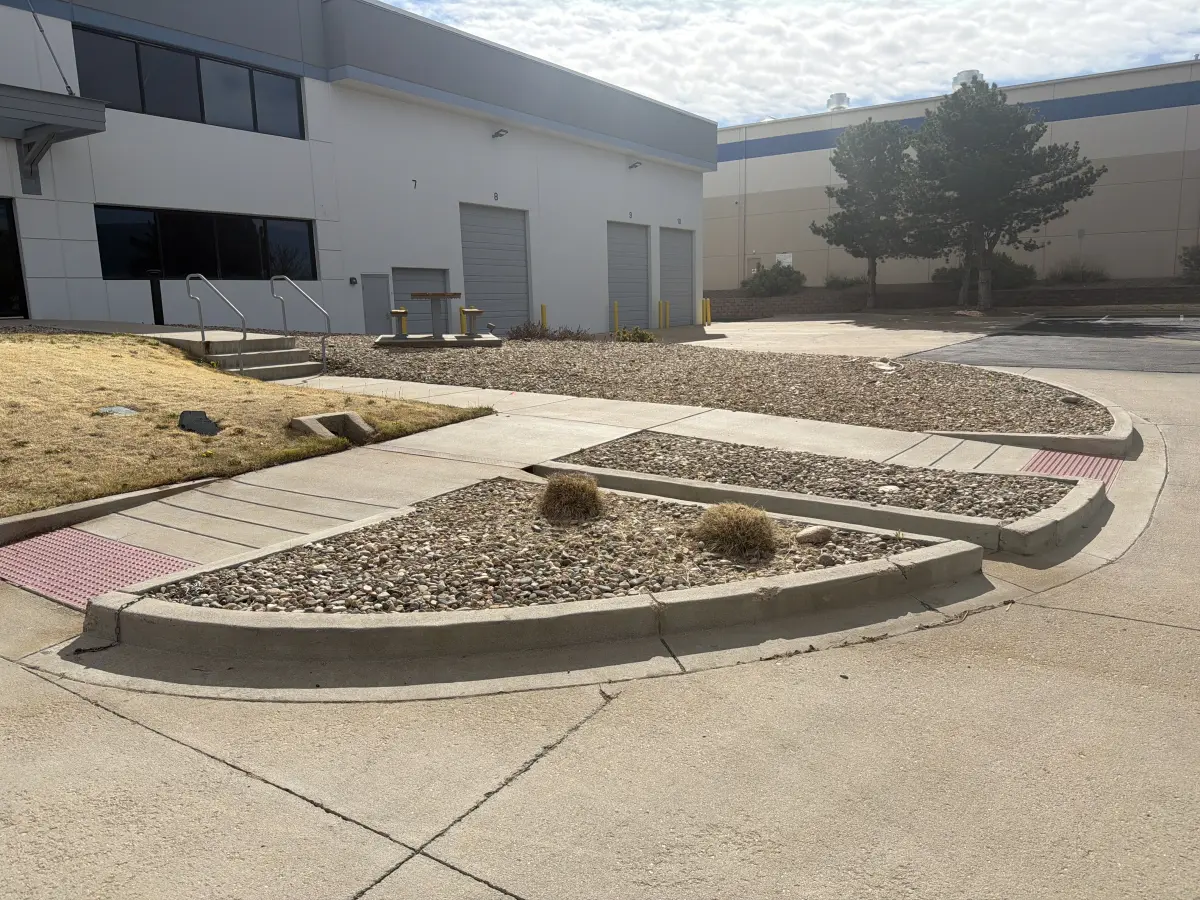
Winter deposits a surprising amount of material on commercial and residential properties. Accumulated leaves, branches, gravel displaced by plows, sand from deicing operations, and wind-blown trash all need to come off turf areas before growth begins. On commercial properties, parking lot and sidewalk debris often migrates into adjacent planting beds during spring melt. A thorough cleanup includes hard surfaces, turf areas, planting beds, and the transition zones between them.
Thatch Assessment
Colorado's dry climate slows organic decomposition, which means thatch builds up faster than in humid regions. Check thatch depth by cutting a small plug from the lawn. If the spongy layer between the green blades and the soil surface exceeds three-quarters of an inch, the lawn needs dethatching or power raking before any other inputs. Excessive thatch blocks water, fertilizer, and air from reaching the root zone.
Hardscape Inspection
Walk every sidewalk, curb, and retaining wall on the property. Colorado's freeze-thaw cycle — which can repeat 300 or more times per year along the Front Range — heaves concrete, shifts pavers, and cracks retaining wall caps. Addressing trip hazards and drainage issues now prevents liability problems and expensive repairs later in the season.
Phase 2: Aeration and Soil Health (Mid-April Through Early May)
Core aeration is the single most impactful spring maintenance task for Colorado lawns. Denver Metro soils are predominantly clay-based, and clay compacts severely under foot traffic, mowing equipment, and the weight of snow. Compacted soil prevents water infiltration, restricts root growth, and starves the turf of oxygen.
When to Aerate
Aerate cool-season turf when soil temperatures are consistently above 50 degrees and the grass is actively growing. For Denver and Douglas County, that window typically opens in mid-to-late April. Properties at higher elevations like Castle Pines and Larkspur may need to wait until the first week of May. Avoid aerating during drought stress or when the ground is frozen — neither condition allows the soil plugs to break down properly.
Core Aeration Best Practices
Use a core aerator that pulls 2.5 to 3-inch plugs on 3 to 4-inch spacing. Make two passes on high-traffic areas (entrances, walkways, playground perimeters). Leave the plugs on the surface — they break down within two to three weeks and return organic matter to the soil. Hollow-tine aeration is always preferable to spike aeration for Colorado clay soils because it actually removes material rather than just pushing it aside.
Overseeding After Aeration
If the lawn has thin spots or bare areas from winter damage, aeration creates the ideal seed-to-soil contact for overseeding. Use a seed blend appropriate for your exposure. Sunny areas do well with Kentucky bluegrass and perennial ryegrass mixes. Shaded areas under mature trees need a fine fescue or shade-tolerant tall fescue blend. Keep newly seeded areas moist (not saturated) for 14 to 21 days until germination establishes.
Phase 3: Fertilization and Weed Prevention (Late April Through Early May)
Timing the first fertilizer application correctly is critical. Apply too early and the nutrients wash away before the turf can use them. Apply too late and crabgrass already has a foothold.
Pre-Emergent Herbicide
Pre-emergent herbicides work by creating a chemical barrier in the top inch of soil that prevents weed seeds from germinating. They must be applied before soil temperatures reach 55 degrees for three consecutive days at a 4-inch depth — the threshold at which crabgrass germinates. In the Denver Metro area, that window typically falls between April 15 and May 5. Applying pre-emergent after overseeding requires a product specifically labeled as safe for use with new grass seed (siduron-based formulas).
Spring Fertilization
Apply a slow-release nitrogen fertilizer at a rate of 0.75 to 1.0 pound of actual nitrogen per 1,000 square feet. Colorado lawns respond well to a 3:1:2 ratio (nitrogen, phosphorus, potassium) for spring applications. Slow-release formulas prevent the flush of top growth that stresses root systems and increases mowing frequency without building drought tolerance. JLS uses custom fertilizer programs calibrated to soil test results from each property — not one-size-fits-all broadcast applications.
Soil Testing
If you have not tested your soil in the past two years, spring is the time. Colorado State University Extension offers affordable soil analysis that measures pH, organic matter content, and nutrient levels. Front Range soils tend to run alkaline (pH 7.5 to 8.2), which can lock up iron and cause chlorosis (yellowing) in turf and ornamentals. Knowing your pH allows targeted amendments rather than guesswork.
Phase 4: Irrigation Activation (Late April Through Mid-May)
Activating the irrigation system too early is one of the most common and costly spring mistakes in Colorado. A late freeze after the system is pressurized can crack backflow preventers, split lateral lines, and shatter spray heads — repairs that often cost more than the winterization that protected the system all winter.
When to Turn On Sprinklers in Denver
The general rule along the Front Range is to wait until nighttime temperatures are consistently above 32 degrees for at least a week. Denver's average last freeze date is May 4, but freezing temperatures have been recorded as late as May 20. For Douglas County properties at 6,000 feet and above, add another week to that timeline. Most years, the safe window for irrigation activation falls between May 1 and May 15.
Spring Irrigation Audit
Turning on the system is not enough. Every zone needs a full walk-through to check for winter damage, misaligned heads, clogged nozzles, and pressure irregularities. JLS performs a comprehensive spring activation that includes pressurizing the mainline gradually (to avoid water hammer), testing every zone, checking the backflow preventer for proper function, and programming the controller to match your municipality's watering schedule.
Smart Controller Programming
If your property still runs on a fixed-schedule timer, spring is the best time to upgrade to a smart irrigation controller. Weather-based controllers adjust daily based on actual conditions. In a year like 2026, where a Stage 1 drought was declared before the watering season even started, smart controllers are no longer a luxury — they are essential for compliance and water conservation.
Phase 5: Pruning and Plant Health (Late April Through May)
Not everything should be pruned in spring. Timing depends on the plant species and its bloom cycle.
What to Prune Now
- Summer-blooming shrubs (potentilla, spirea, butterfly bush): Prune now, before new growth begins. They bloom on new wood.
- Ornamental grasses: Cut back to 4 to 6 inches before new shoots emerge. This is a narrow window — once green growth appears, cutting low risks damaging the crown.
- Perennials: Cut back last year's dead growth. Divide overgrown clumps of daylilies, hostas, and ornamental grasses.
- Dead or damaged branches: Remove on any species at any time. Winter storm damage should be cleaned up before spring growth conceals it.
What NOT to Prune in Spring
- Spring-blooming shrubs (lilac, forsythia, flowering crabapple): These bloom on last year's wood. Pruning now removes this year's flowers. Wait until immediately after they finish blooming.
- Maples and birches: These bleed heavily when pruned in spring. Wait until full leaf-out in June or prune in late winter before sap rises.
- Evergreens: Light shaping of pines, spruces, and junipers should wait until new candles (growth tips) are half-extended, typically mid-May to early June.
Deep Root Fertilization for Trees
Mature trees on commercial properties often suffer from compacted root zones and nutrient deficiency — especially after dry winters. Deep root fertilization injects a liquid blend of nutrients, mycorrhizae, and bio-stimulants directly into the root zone at 6 to 12 inches below grade. This bypasses the compacted surface layer and delivers nutrition where established trees actually feed. JLS uses Arbor Kelp and custom blends calibrated for Colorado's alkaline soils. For more on protecting trees after this winter's drought conditions, see our post on protecting trees during Colorado's warm, dry winter.
Phase 6: Mulch, Rock, and Bed Renovation (May)
Once the risk of late snow has passed and new plant growth is underway, it is time to refresh planting beds.
Mulch Application
Apply 2 to 3 inches of shredded hardwood or cedar mulch around trees, shrubs, and perennial beds. Keep mulch 3 to 4 inches away from tree trunks and building foundations. Mulch that contacts bark creates conditions for rot, fungal disease, and insect entry. On commercial properties with large bed areas, JLS coordinates mulch delivery and installation to minimize disruption to tenants and visitors.
Rock and Xeriscape Beds
Rock beds require less annual maintenance than organic mulch, but they are not maintenance-free. Spring is the time to redefine bed edges, remove weeds that established over winter, and add topdressing where rock has thinned. Landscape maintenance programs that include regular bed edging prevent turf from creeping into rock beds and maintain the clean lines that property managers and HOAs expect.
Annual Color Installation
In the Denver Metro area, the safe planting date for warm-season annuals (petunias, marigolds, geraniums, vincas) is after Mother's Day — typically May 10 to 15. Planting earlier risks losing the entire installation to a late frost. Cold-tolerant annuals like pansies and violas can go in as early as mid-April and bridge the gap between winter and the main summer color season.
The Complete Spring Lawn Care Timeline for Denver
Here is the full sequence, consolidated into a week-by-week timeline for a typical Denver or Douglas County property:
- Late March - Mid April: Spring cleanup, debris removal, thatch assessment, hardscape inspection
- Mid April - Early May: Core aeration, overseeding thin areas, pre-emergent herbicide, first fertilizer application
- Late April - Mid May: Irrigation activation and audit, smart controller programming, pruning summer-blooming shrubs and ornamental grasses
- May: Mulch and rock bed renovation, deep root fertilization for trees, annual color installation (after May 10)
- Late May - June: First mowing at 3 to 3.5 inch height, evergreen shaping, transition to full summer maintenance schedule
Why Professional Spring Maintenance Pays for Itself
A properly executed spring program prevents cascading problems that cost significantly more to fix mid-season. Compacted soil that never got aerated leads to shallow roots, which leads to summer drought stress, which leads to dead turf, which leads to fall renovation — a project that costs 5 to 10 times more than the aeration that would have prevented it.
JLS Landscape and Sprinkler has been managing spring transitions for commercial and residential properties across the Denver Metro and Douglas County since 1975. Our crews understand the specific soil conditions, elevation factors, and municipal watering rules that make Colorado spring maintenance different from any other market in the country.